





Kite bars for kitesurfing — find the right bar at Frozen Palm Tree
Looking for a new kite bar? You've come to the right place. A kite bar is one of the most important parts of your kitesurfing setup — it largely determines how your session feels and how much control you have over your kite. That's why it's important that your bar fits well with your kite and your personal riding style. At Frozen Palm Tree we stock kite bars from the best brands and are happy to help you find the bar that perfectly matches your setup. Not sure after reading this guide? Call us on +45 53 53 16 83, drop us a WhatsApp, or come visit our shop at Amager Strandvej 130N — our team is ready with personal advice.
Everything you need to know about kite bars:
- How does a kite bar work?
- Powering and depowering — what does it mean?
- Do I need a separate bar for each kite?
- What bar size do I need?
- How does line length affect the kite's flying behaviour?
- My line has broken — repair or replace?
- What are kite lines made of?
- What do the most common terms mean?
How does a kite bar work?
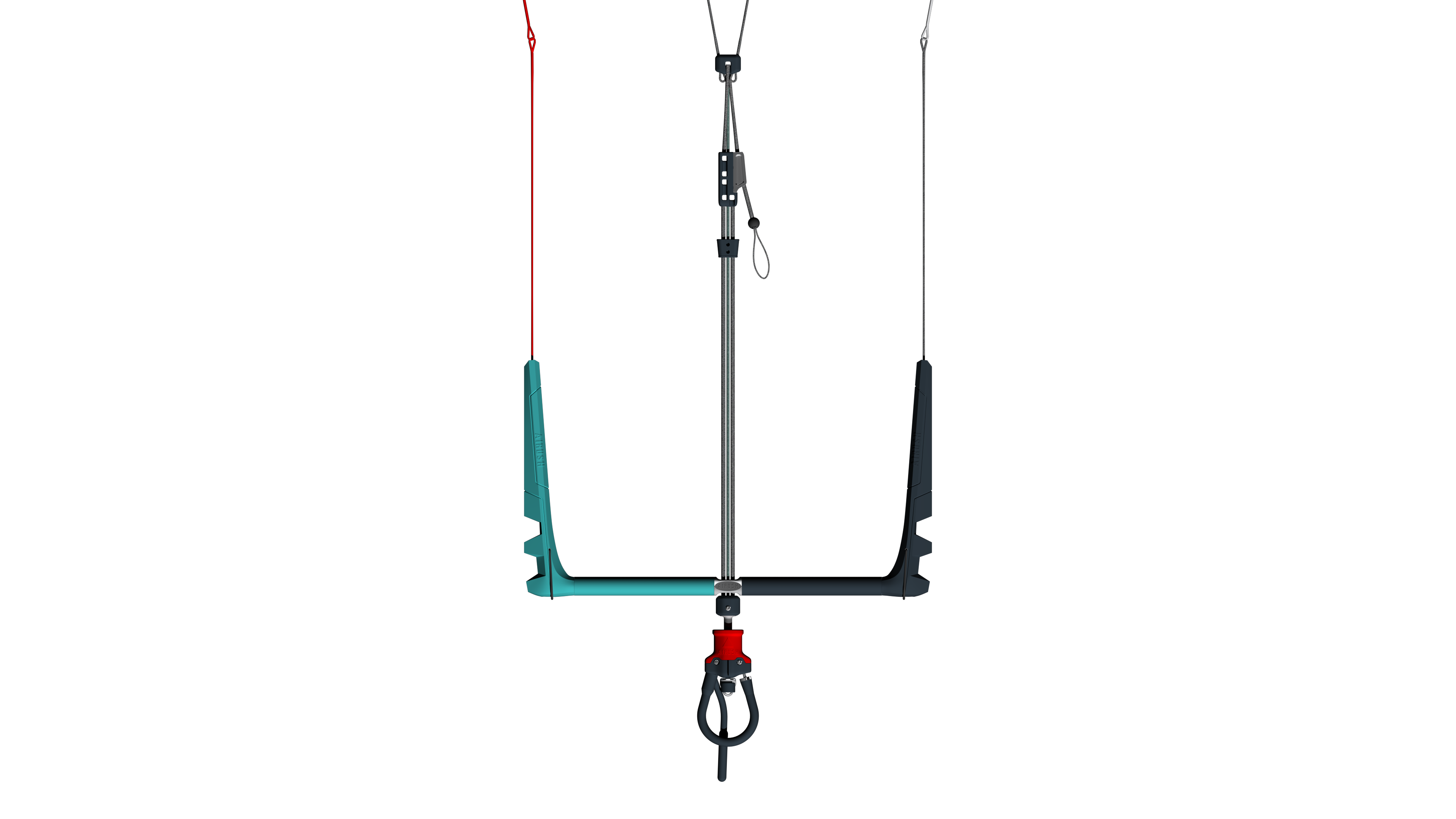
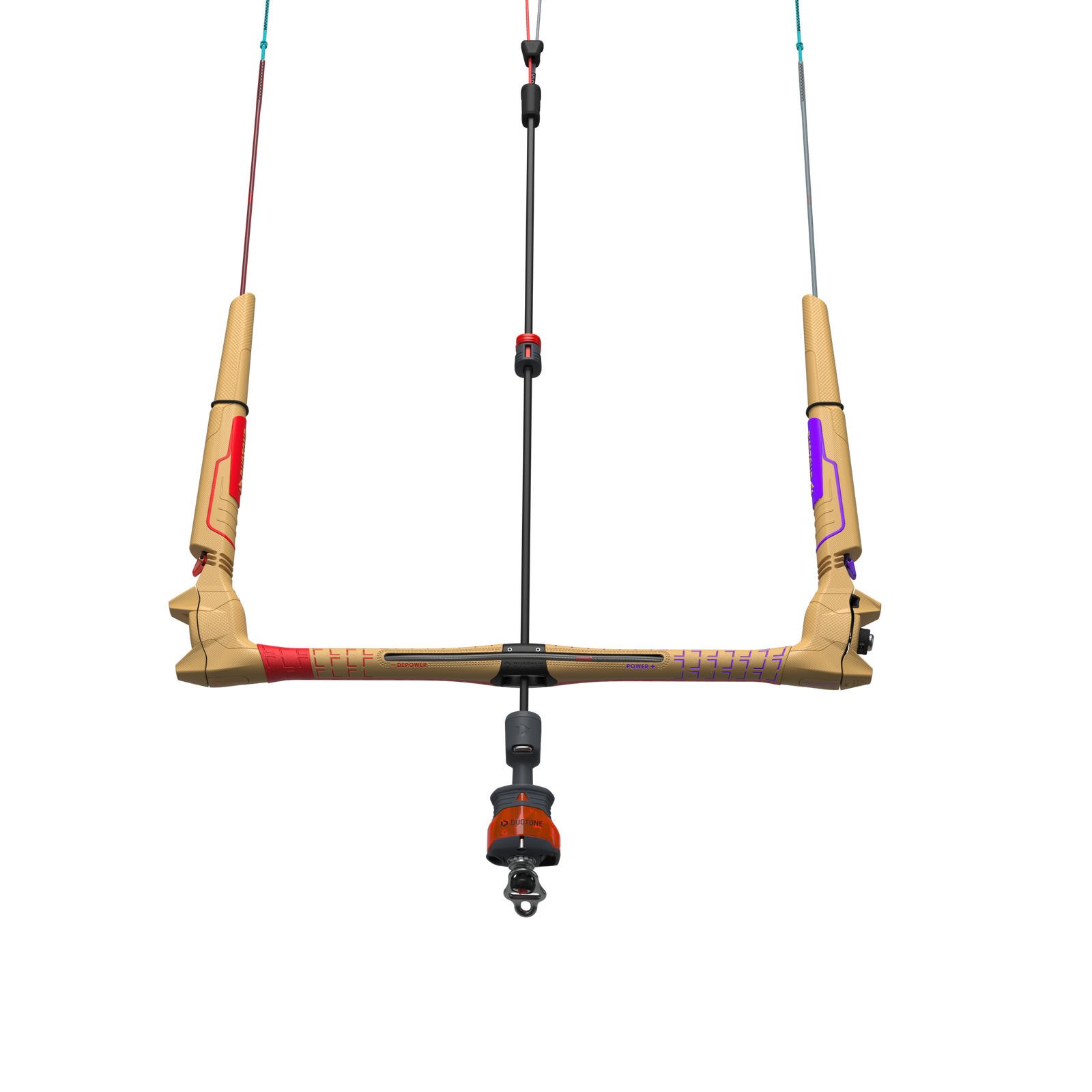
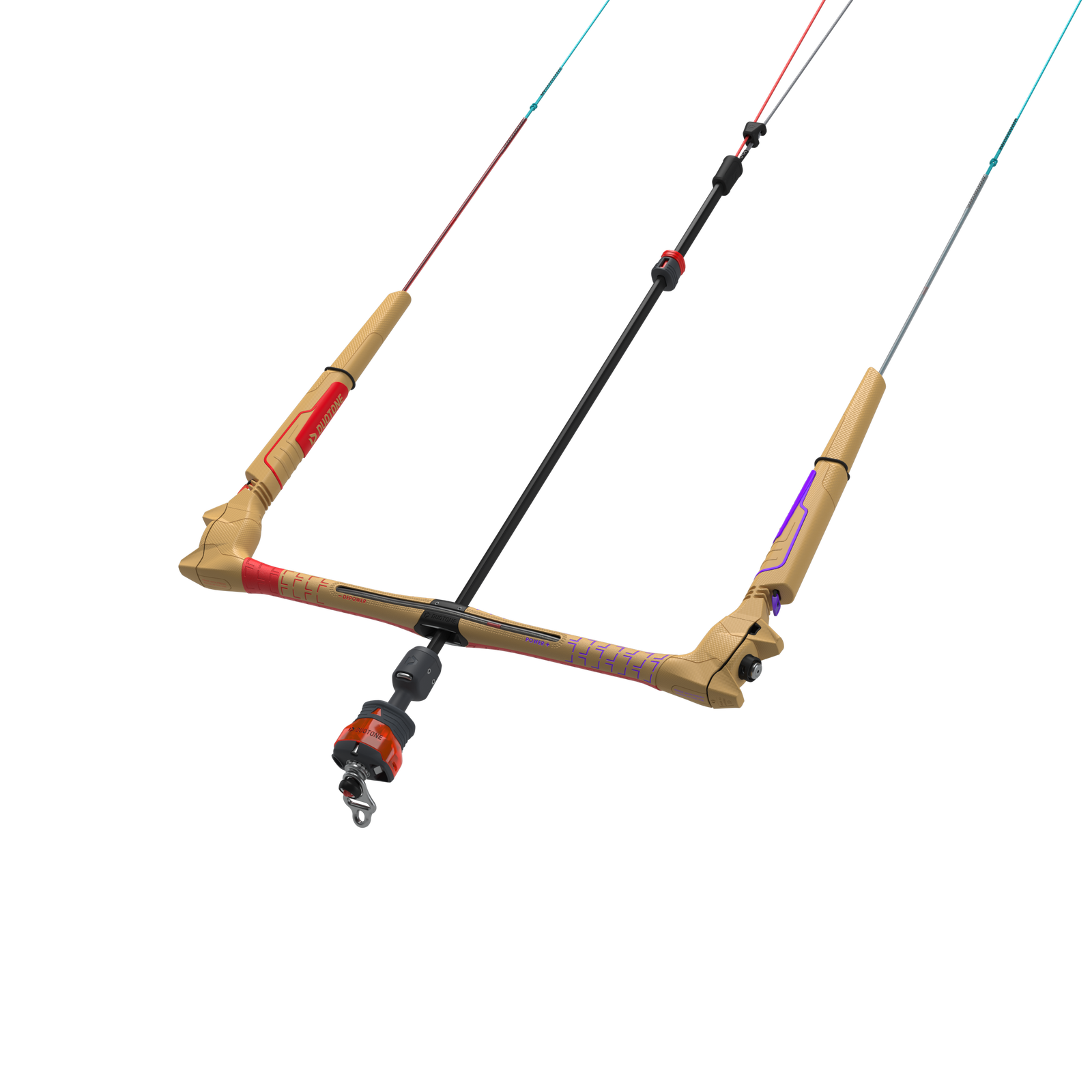
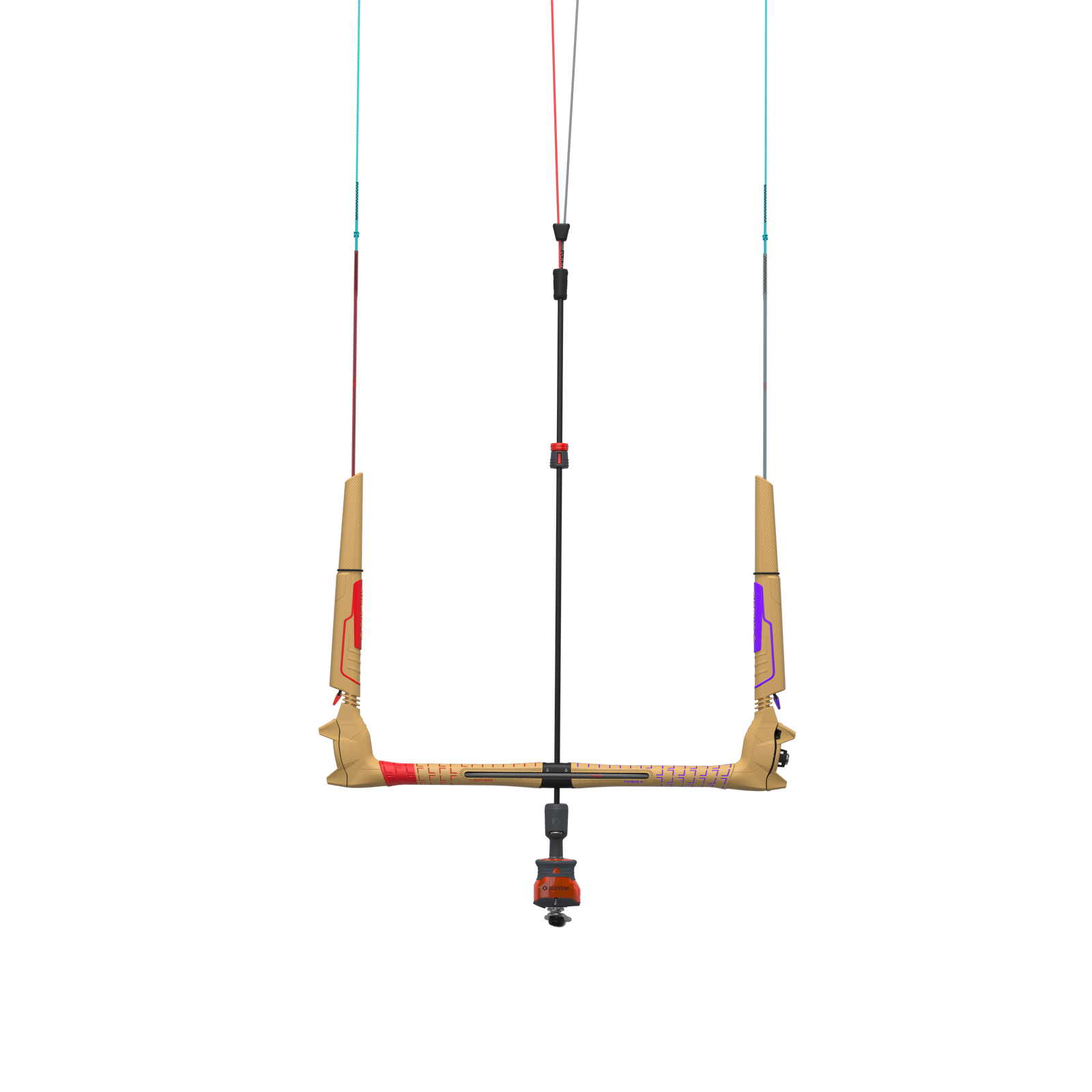
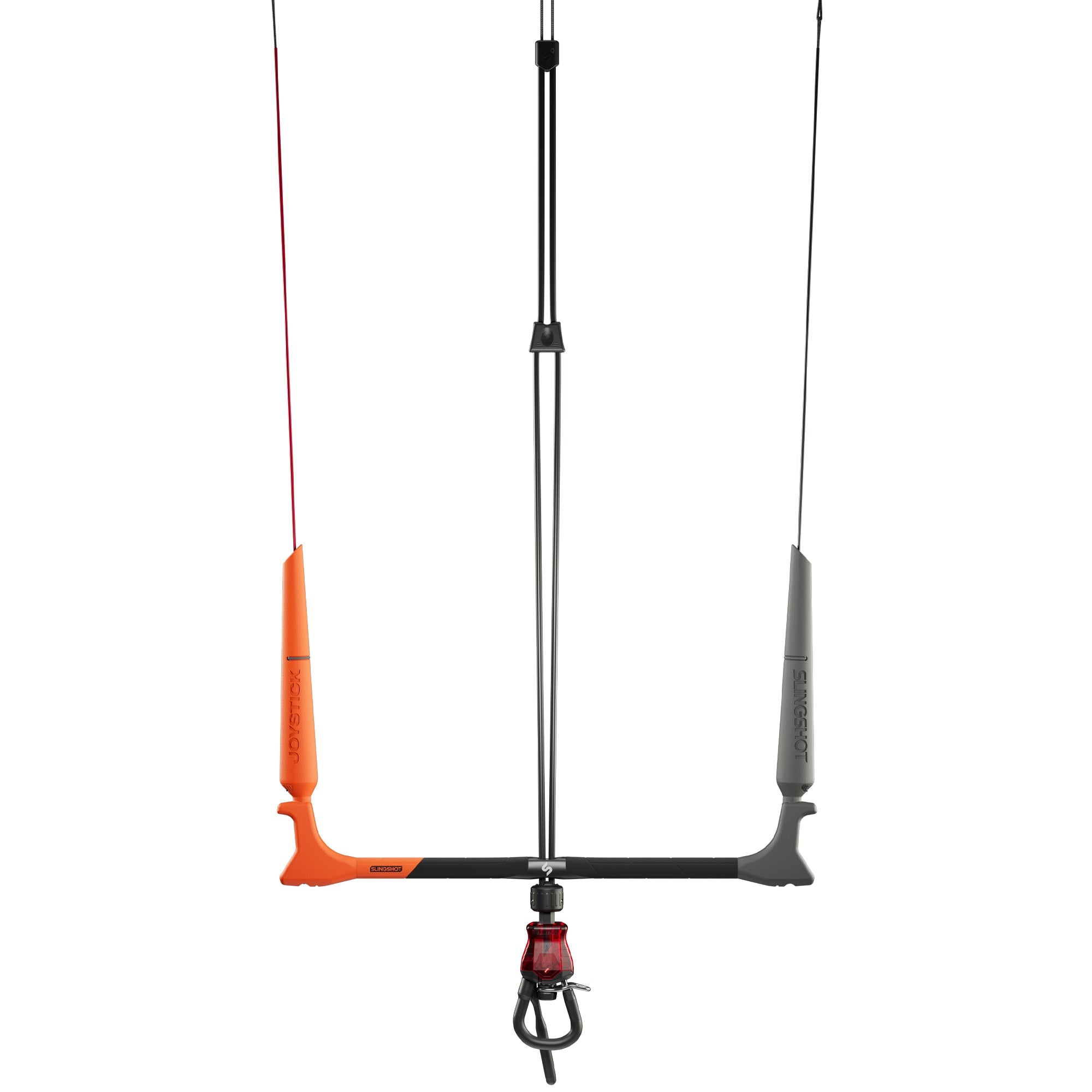
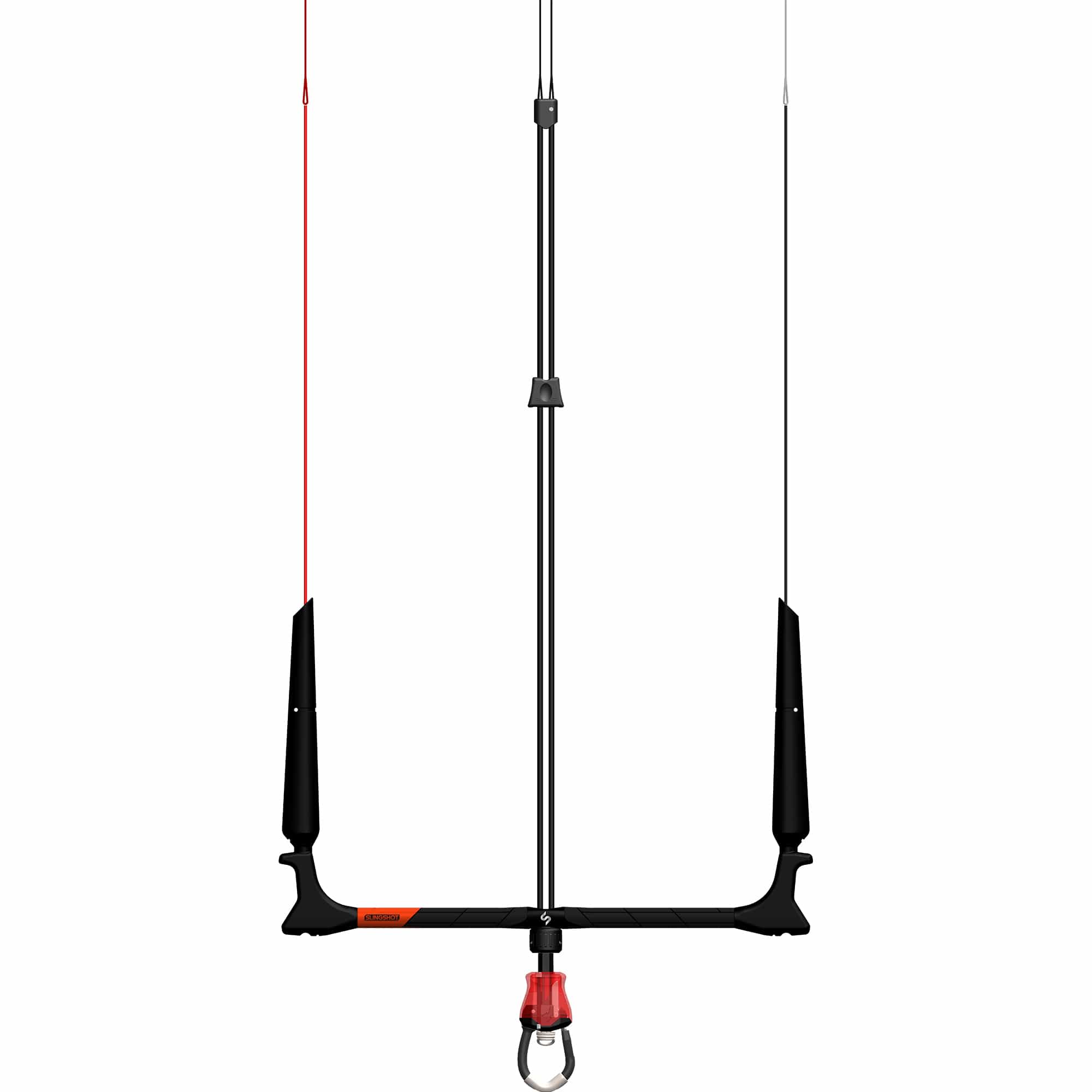
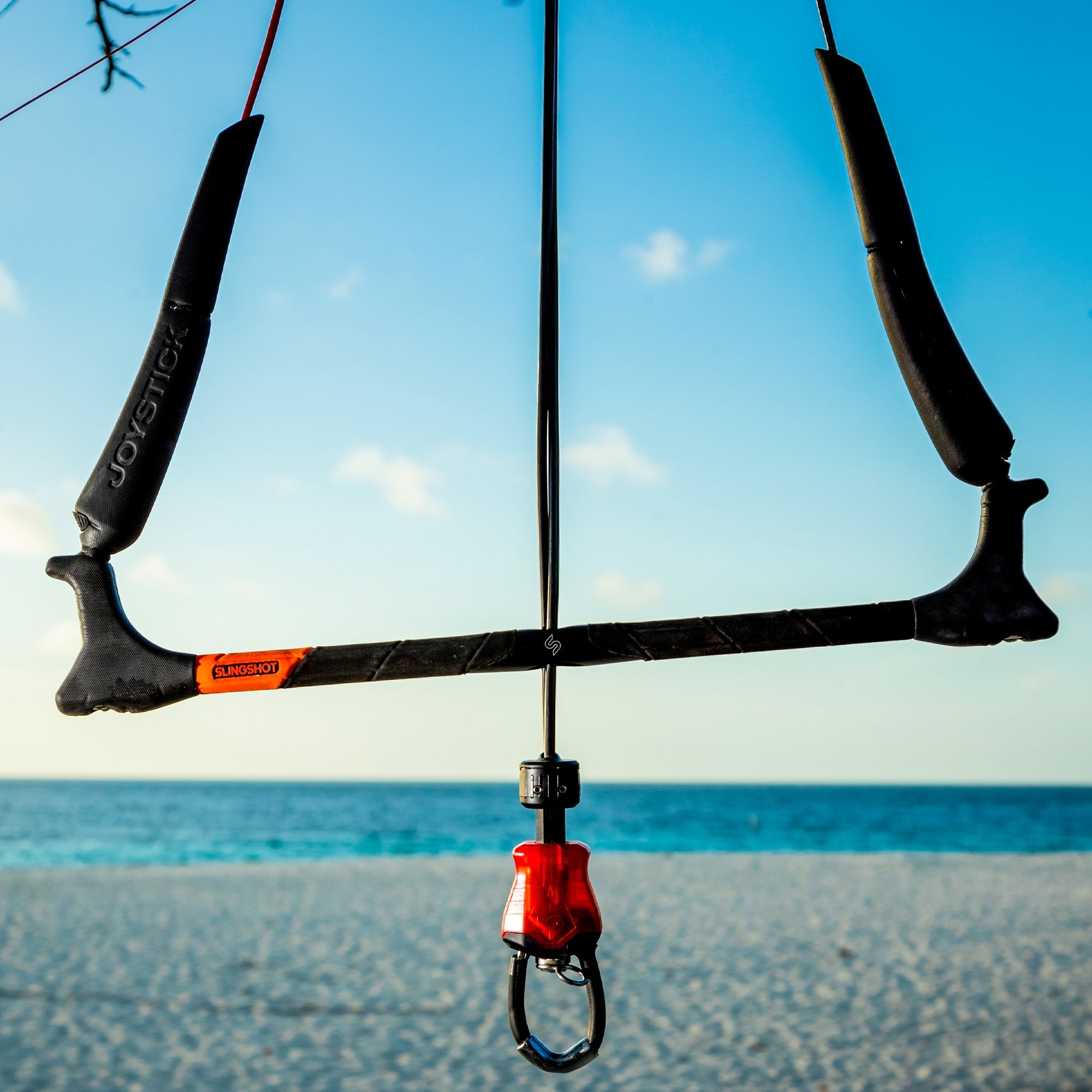
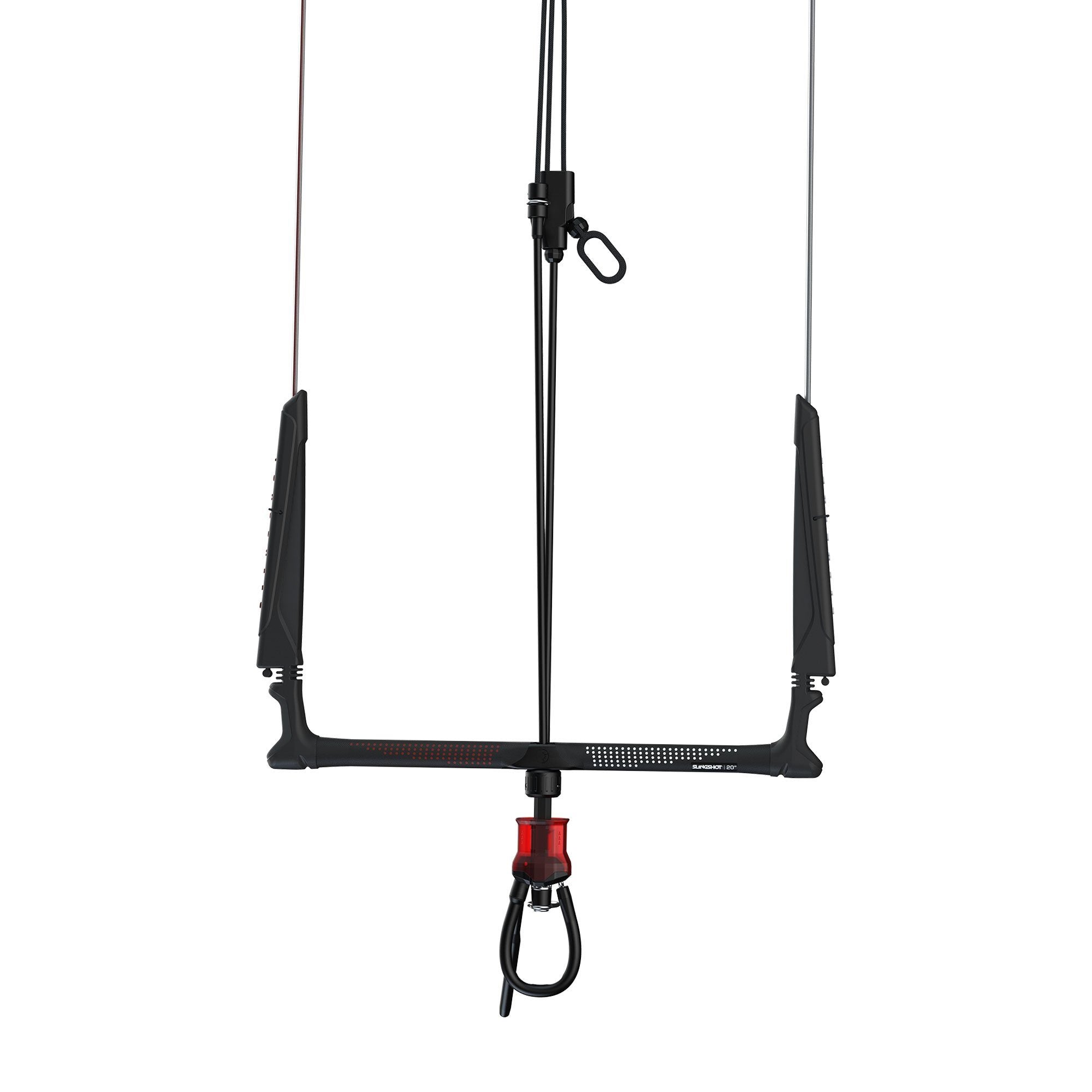
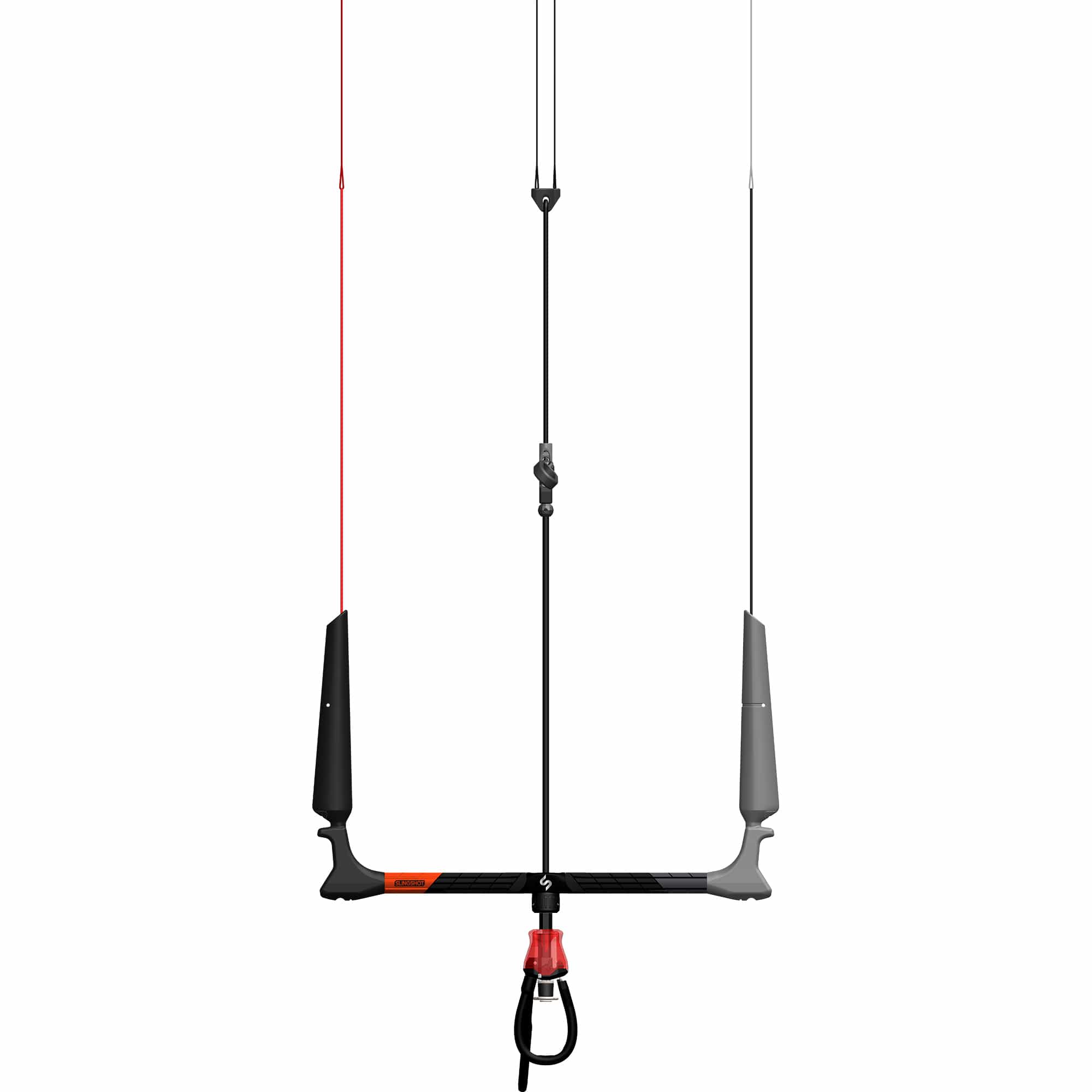
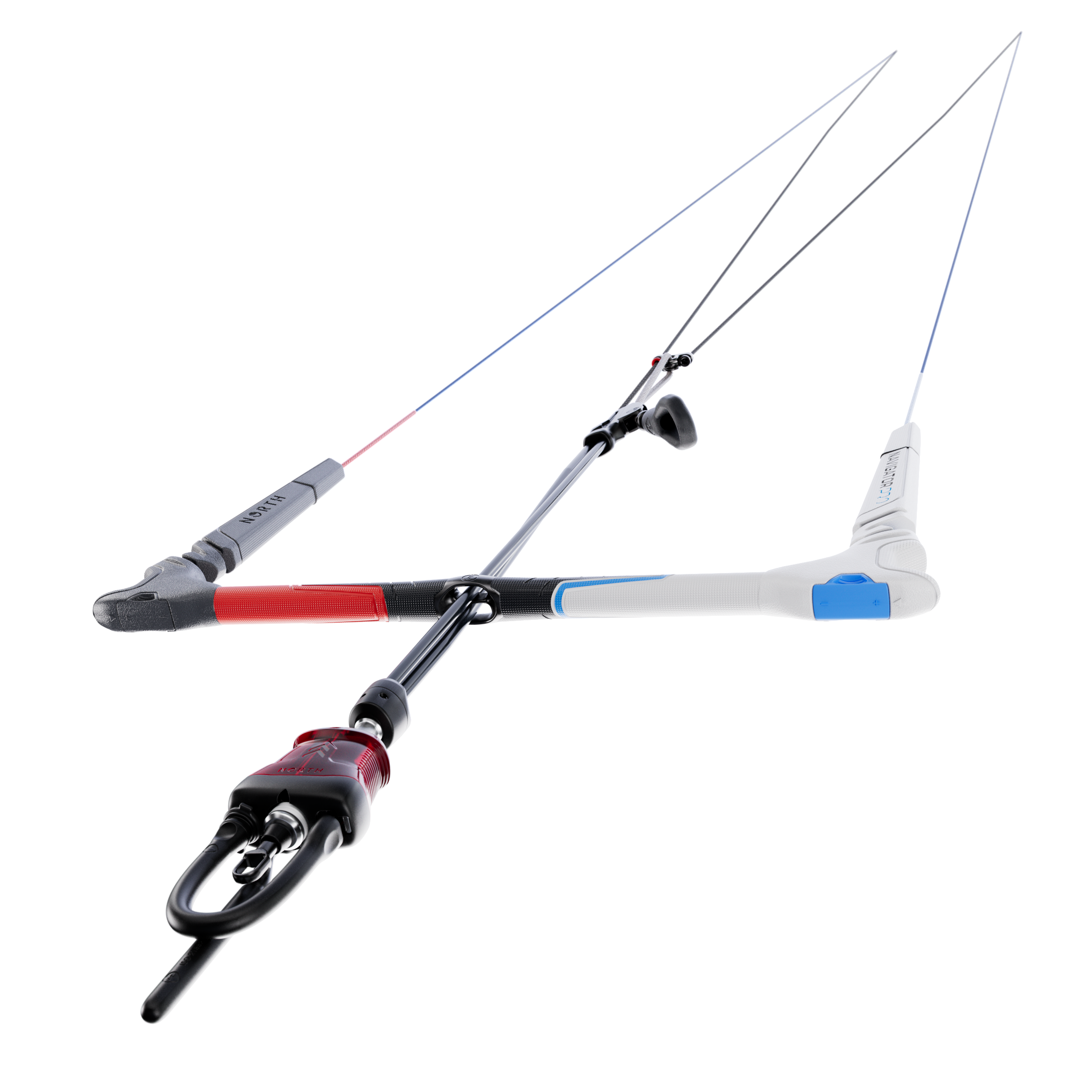
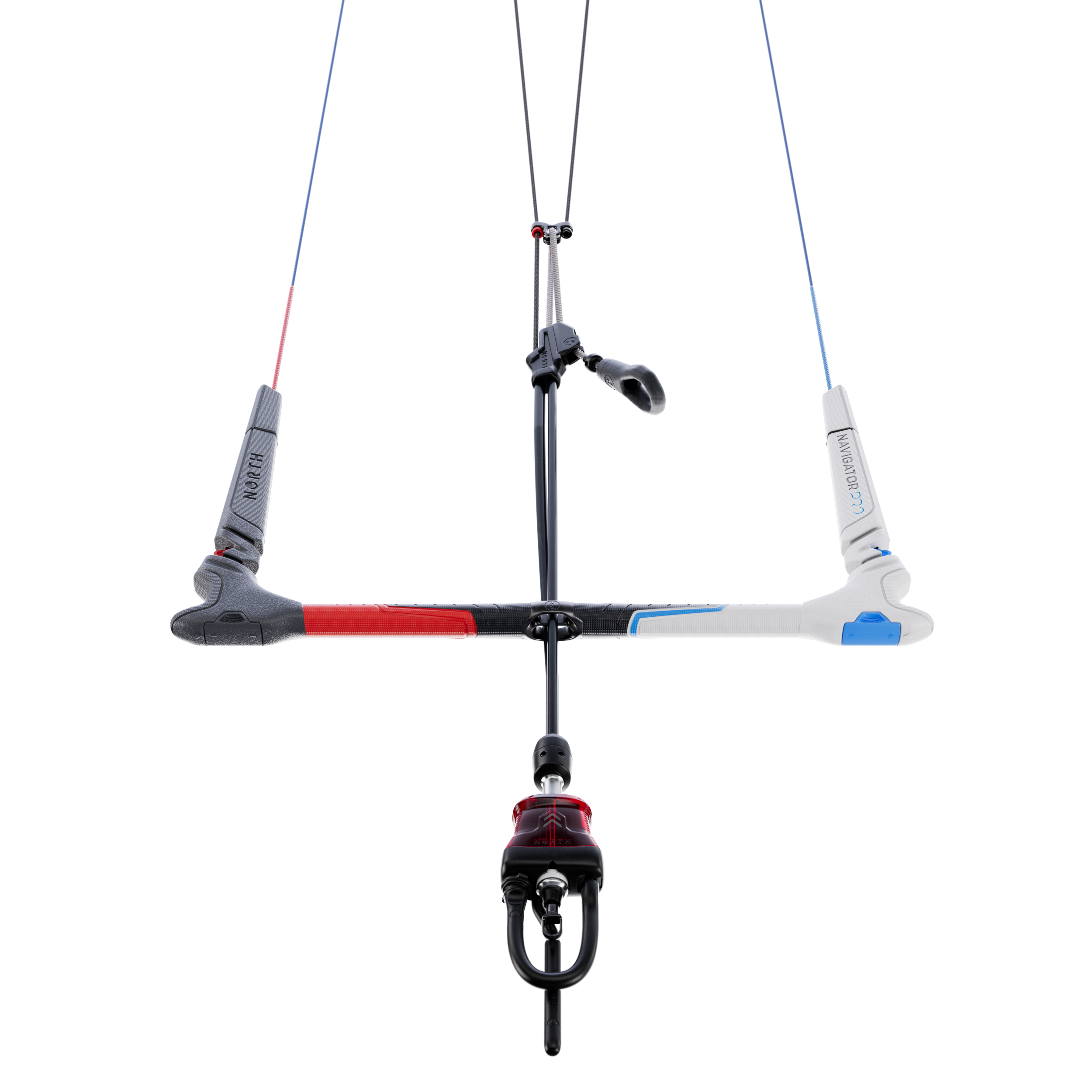
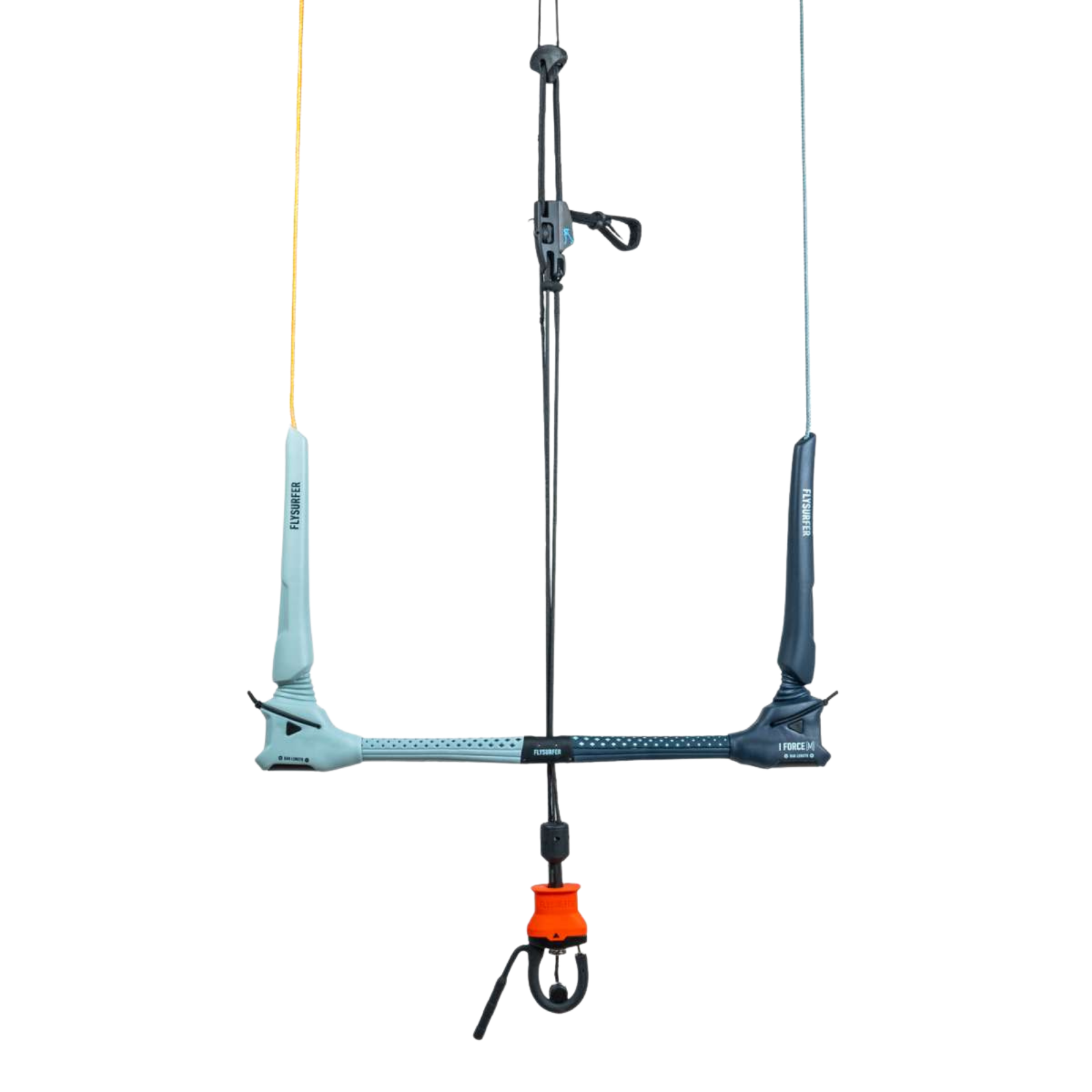
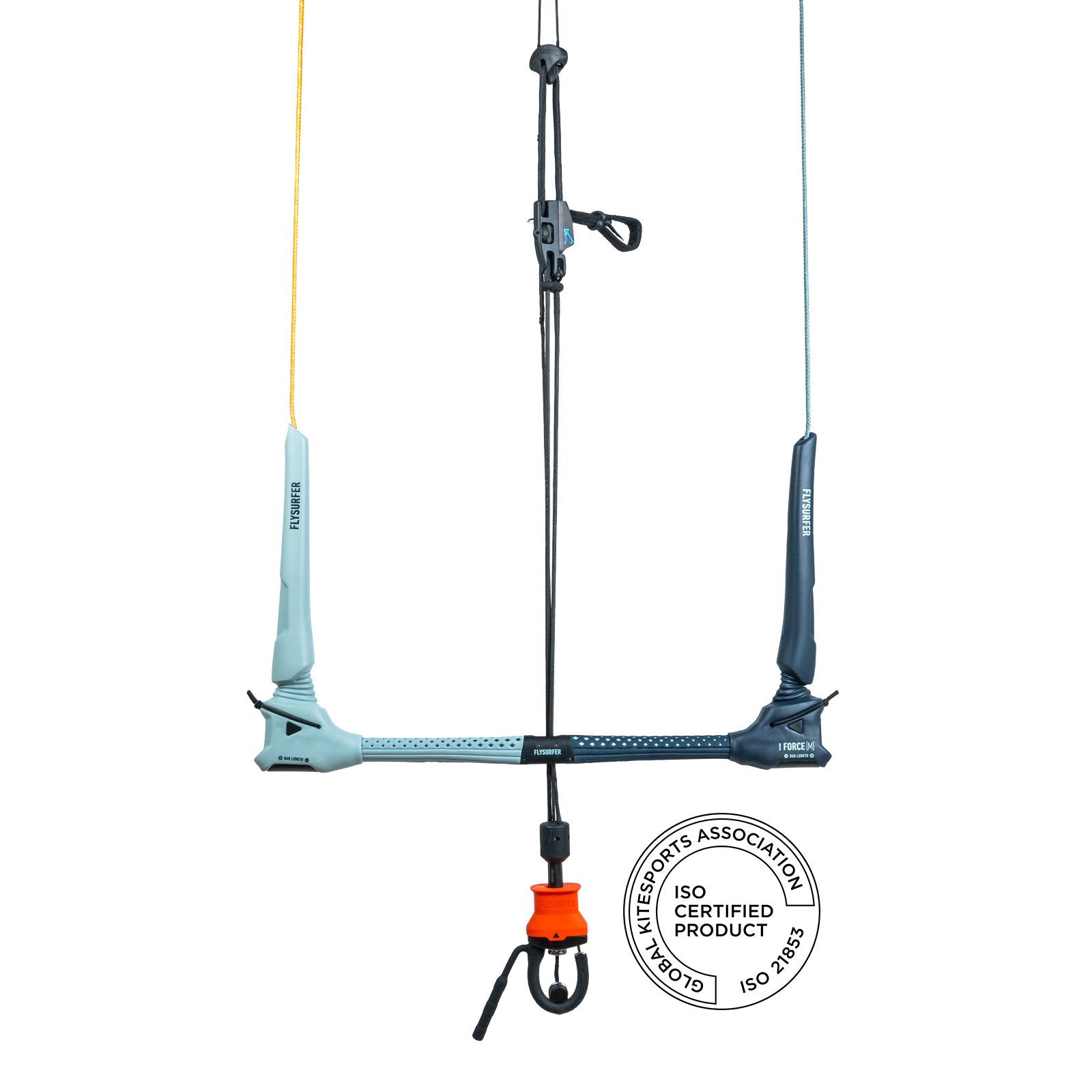
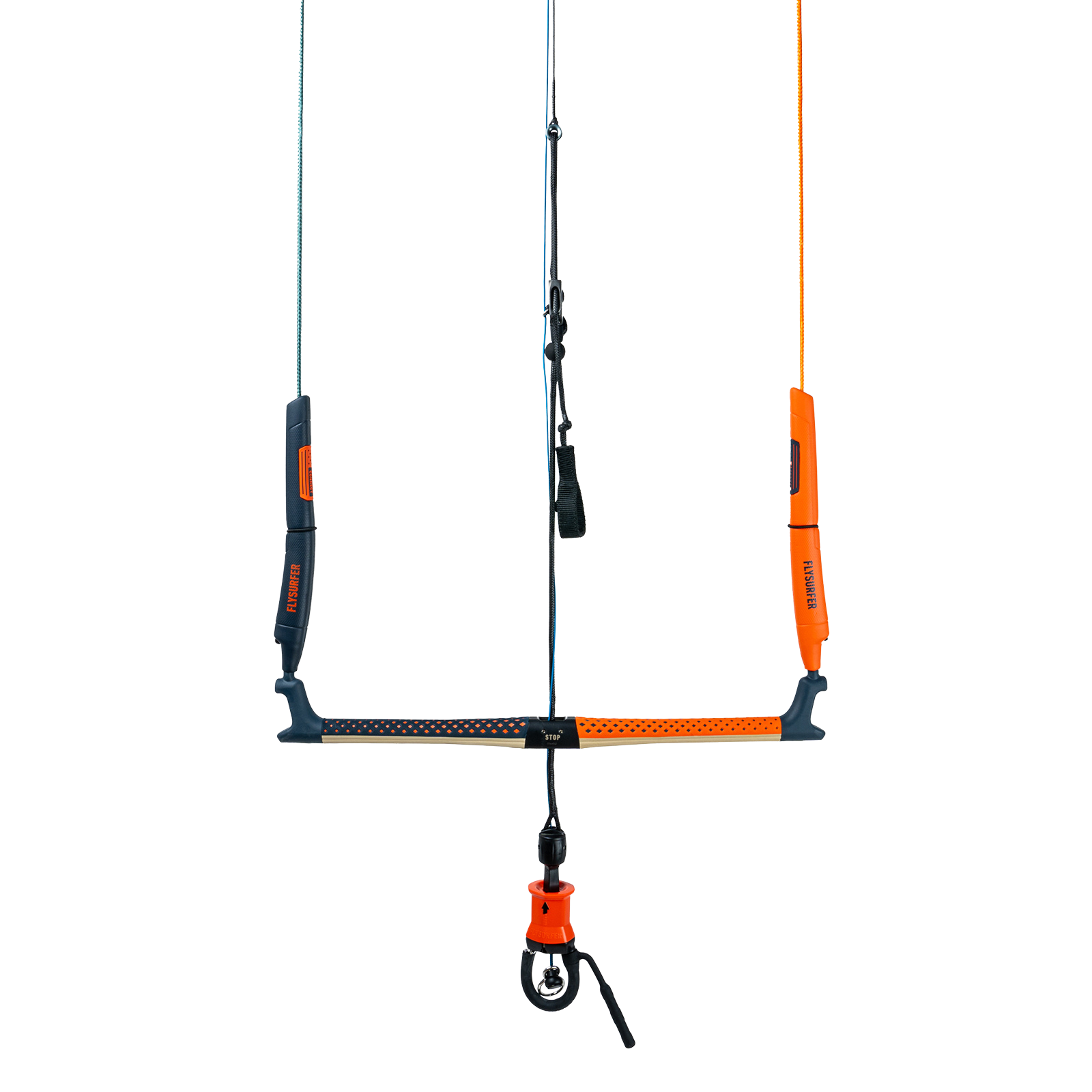
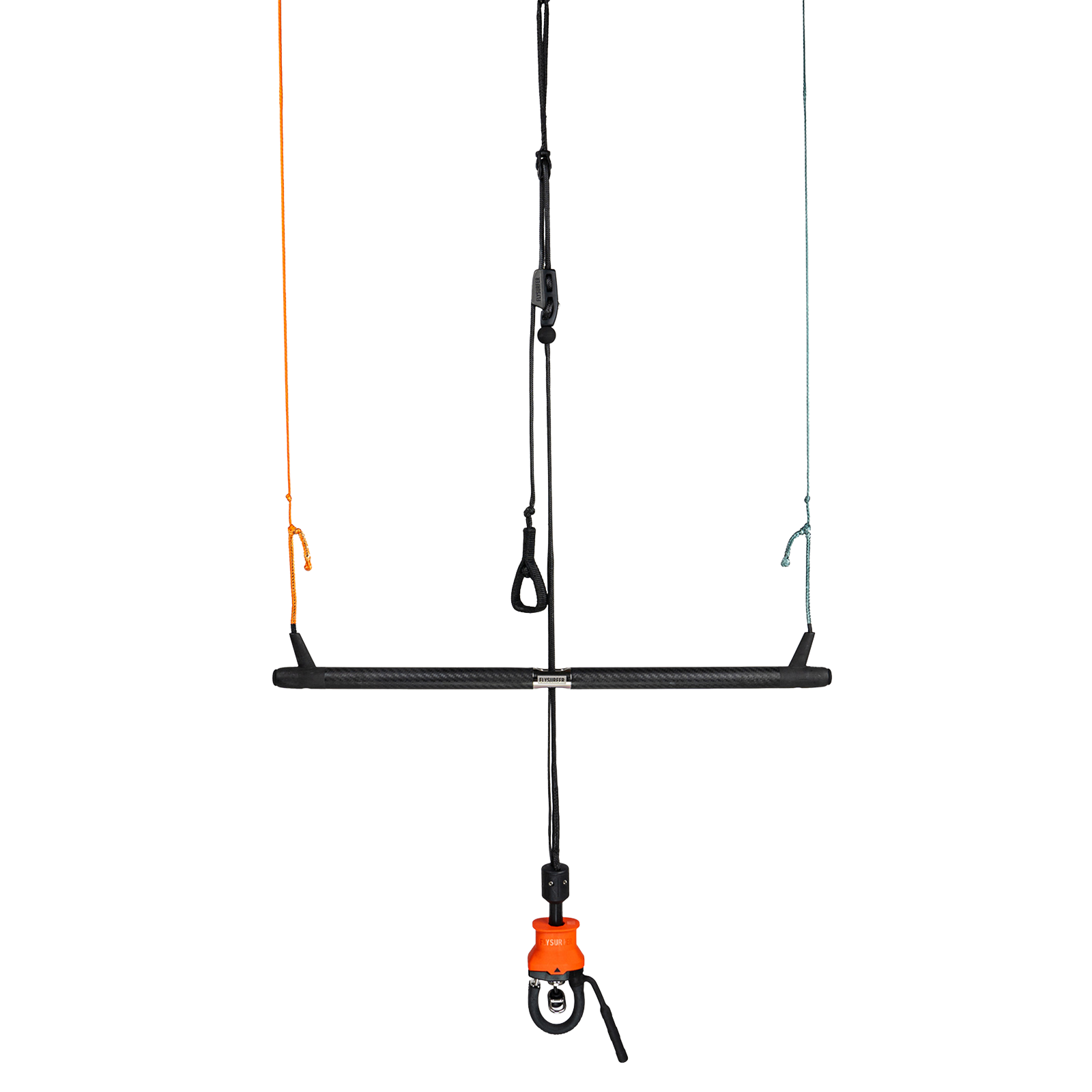
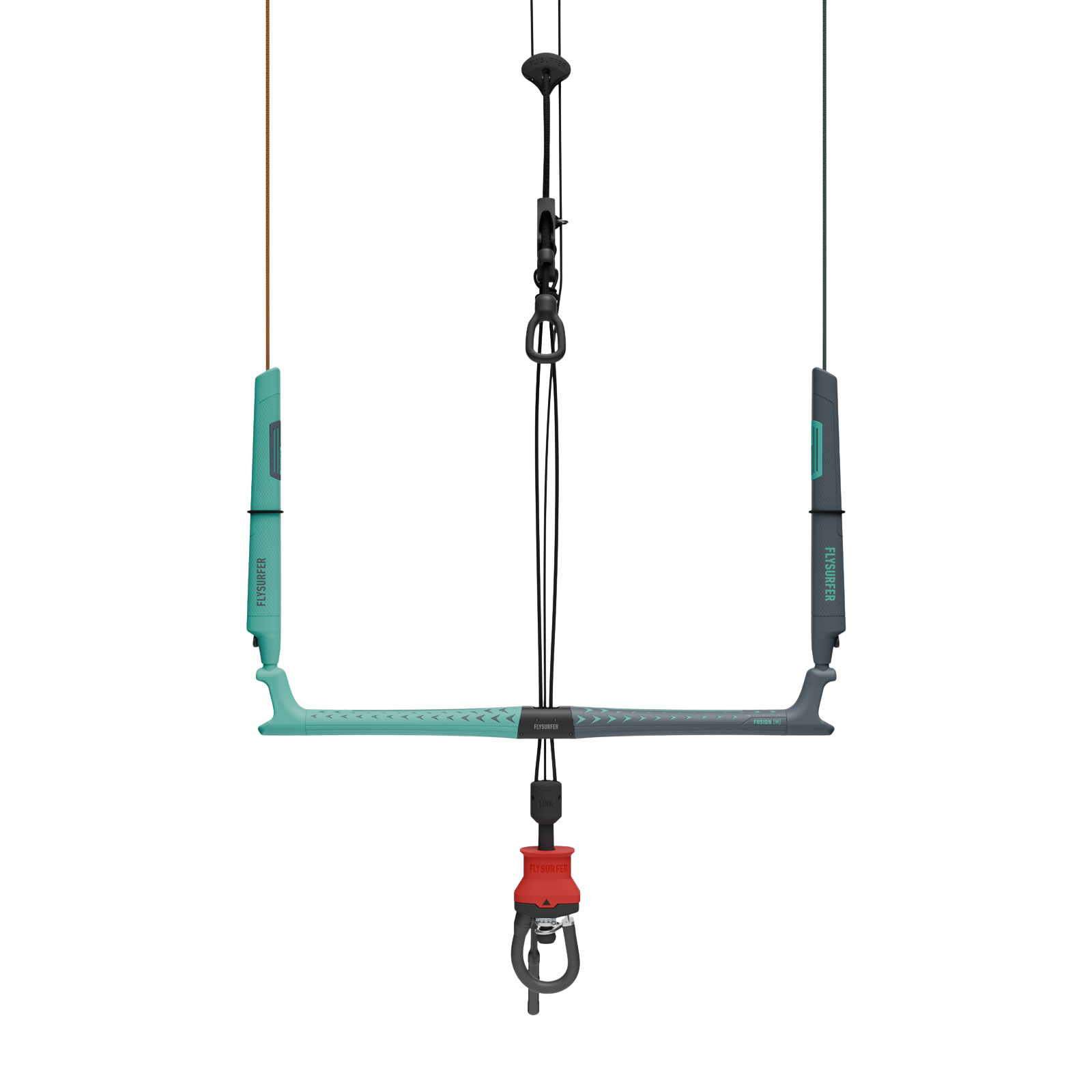
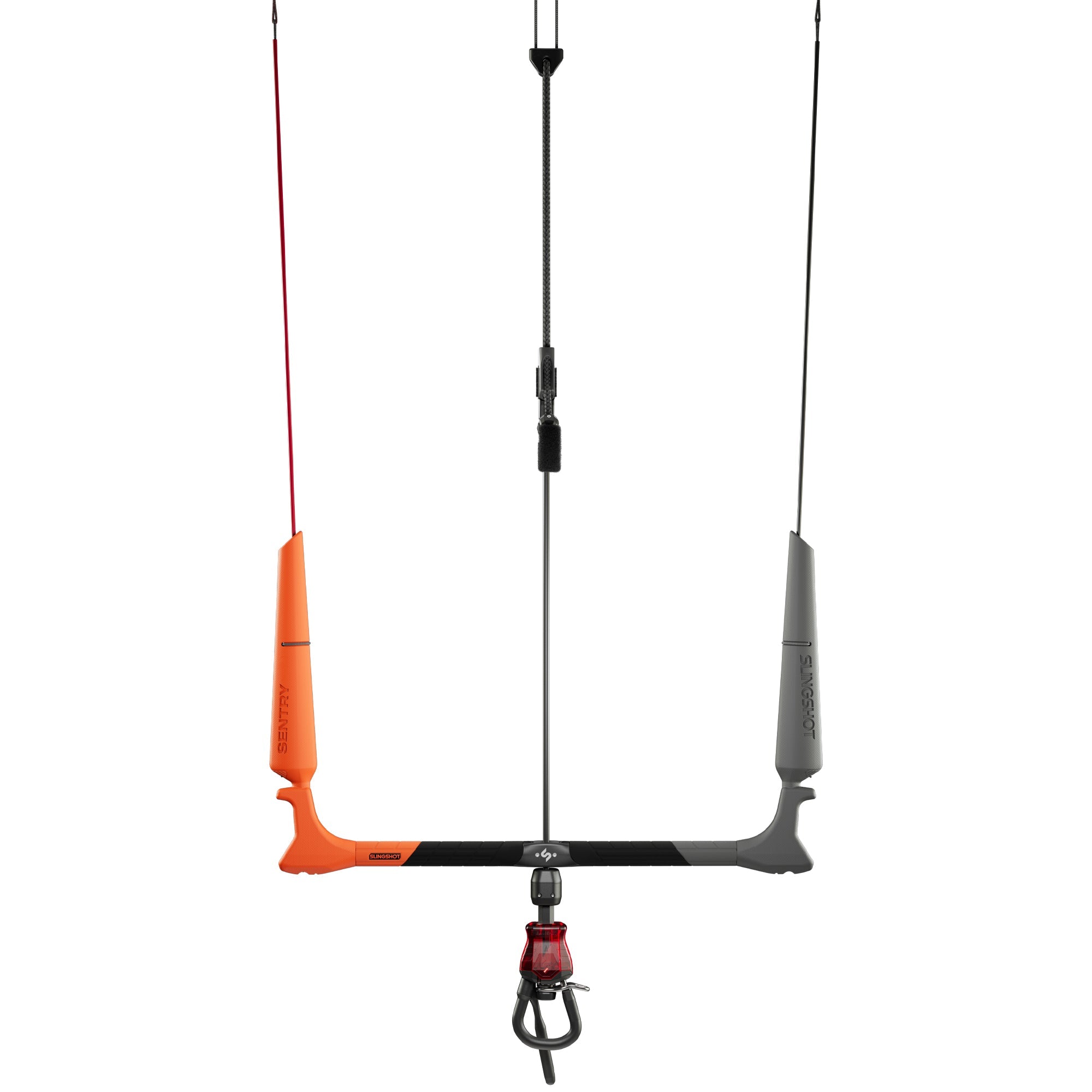
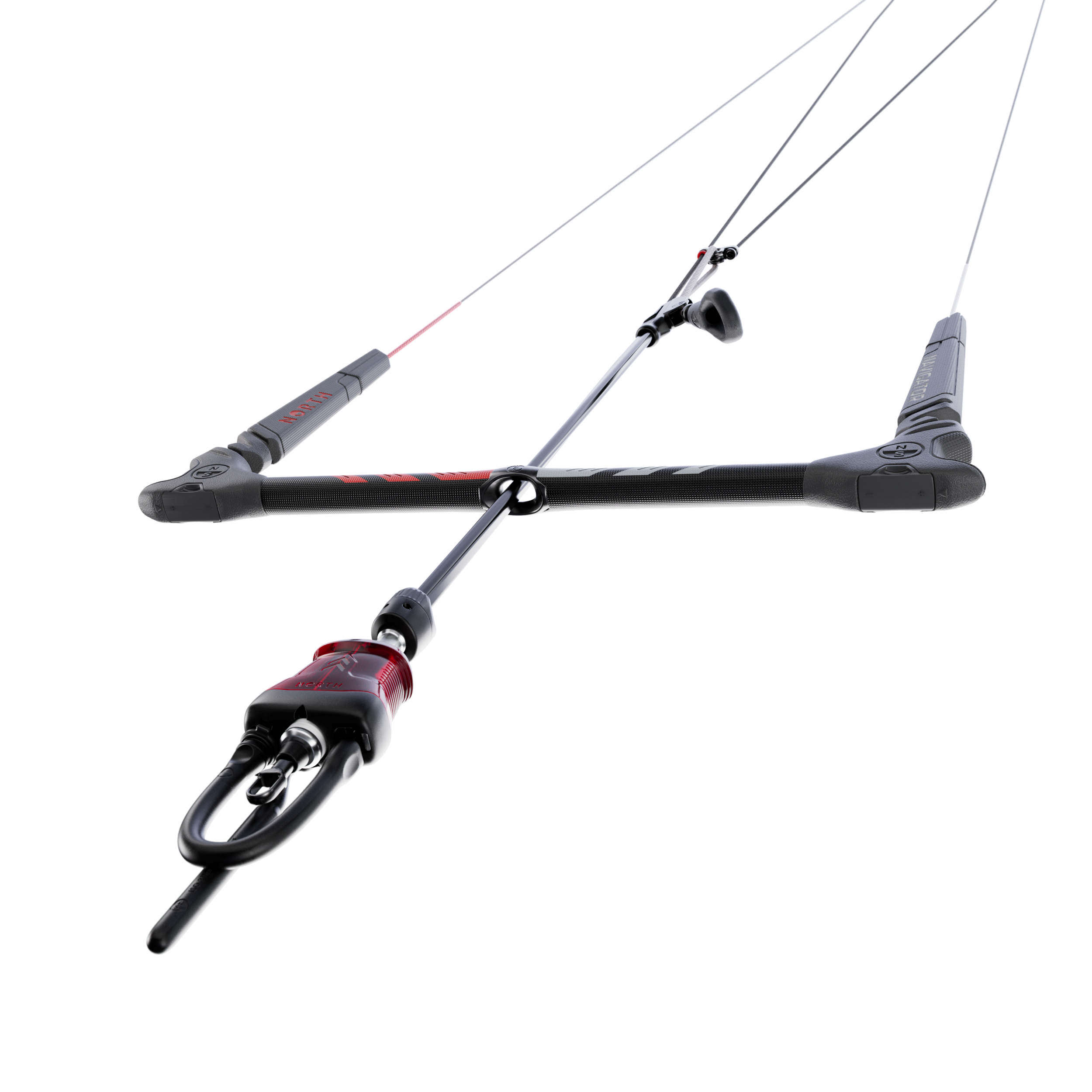
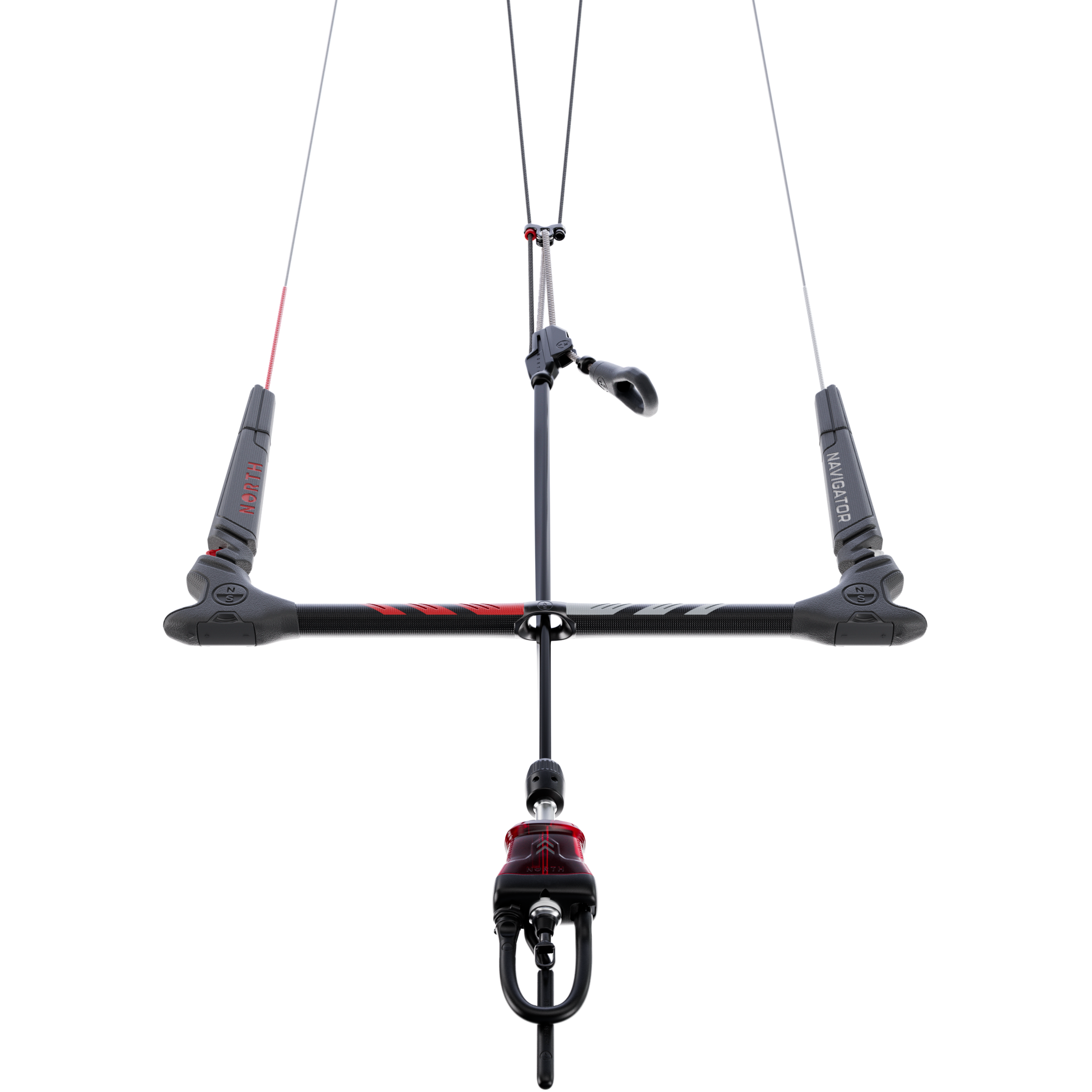
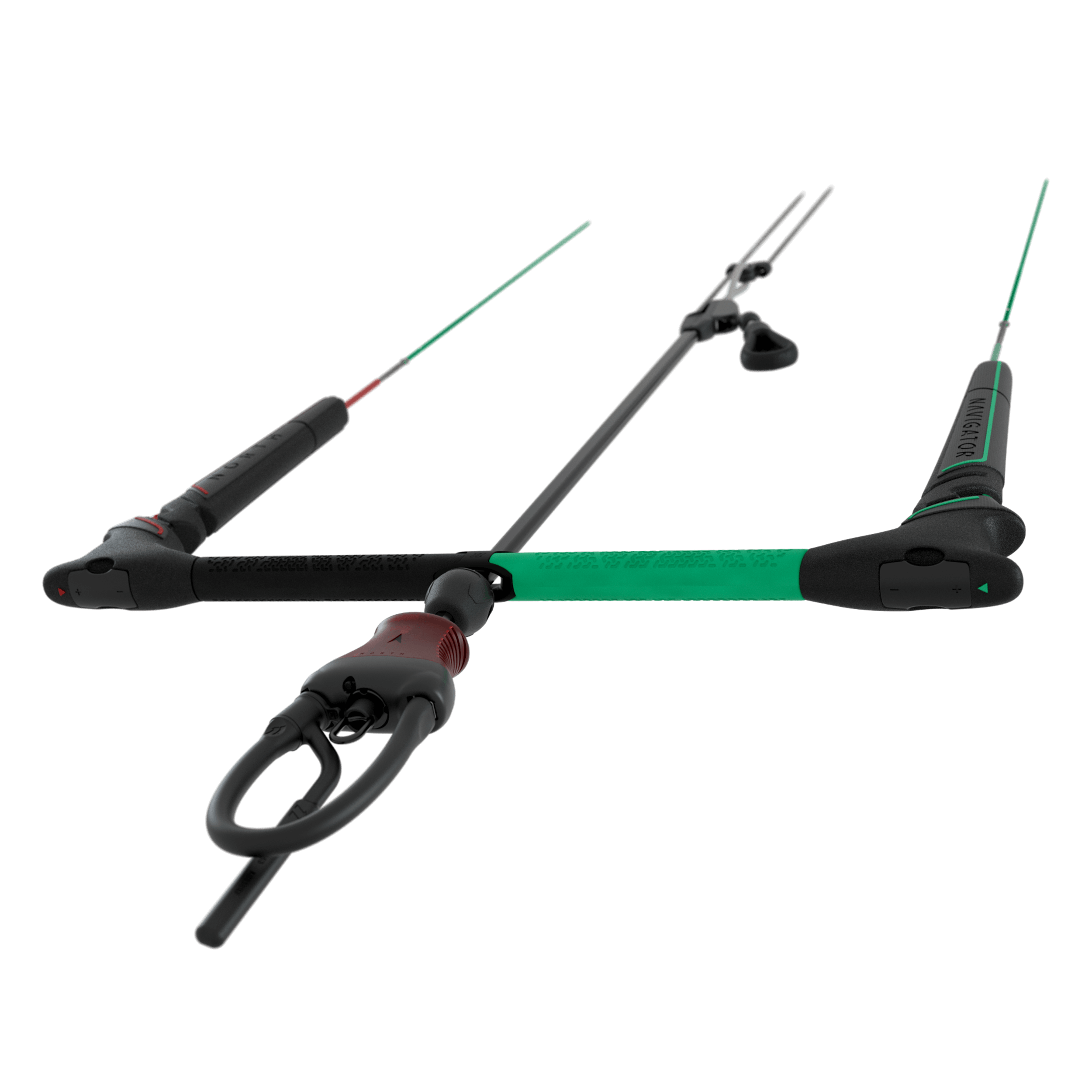
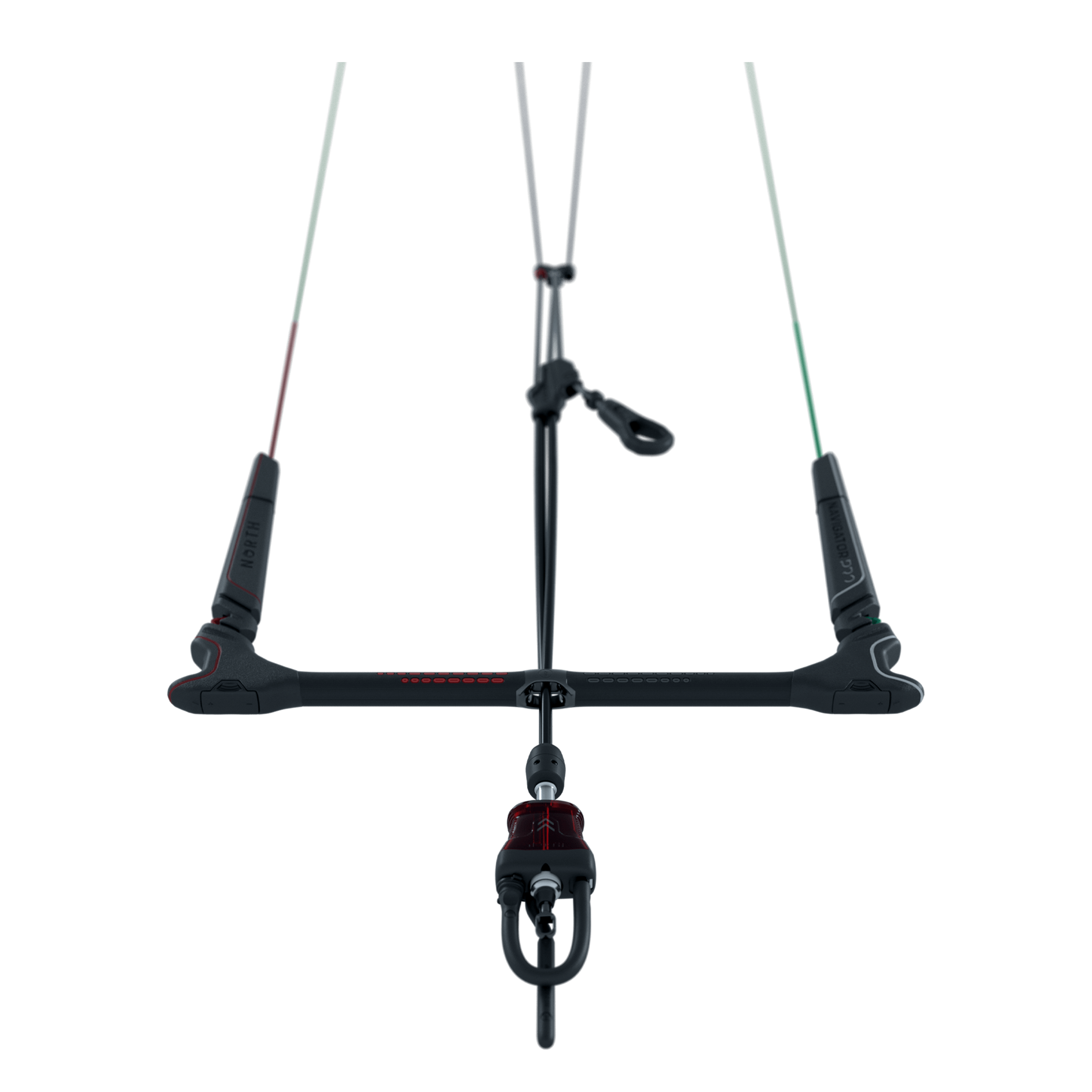
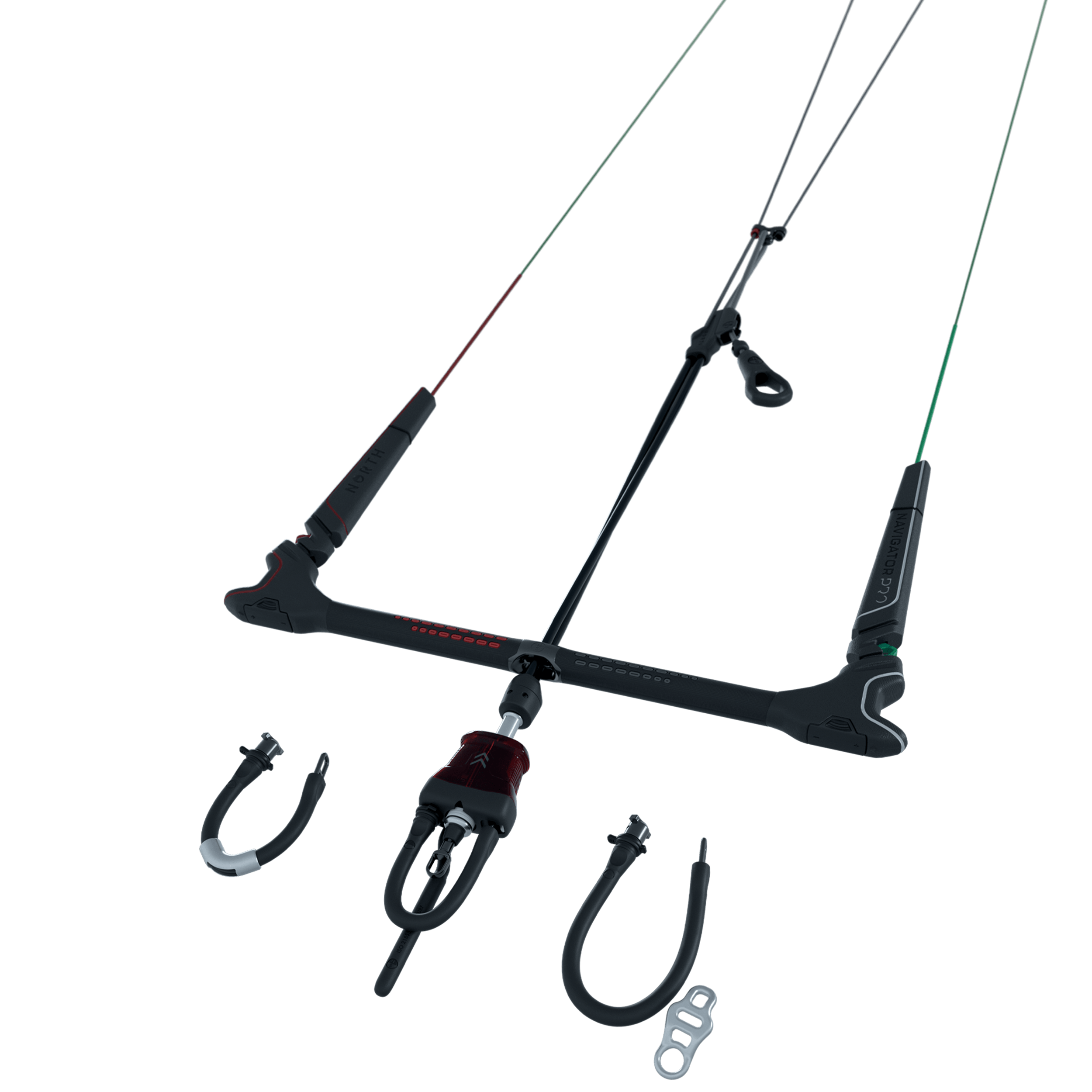
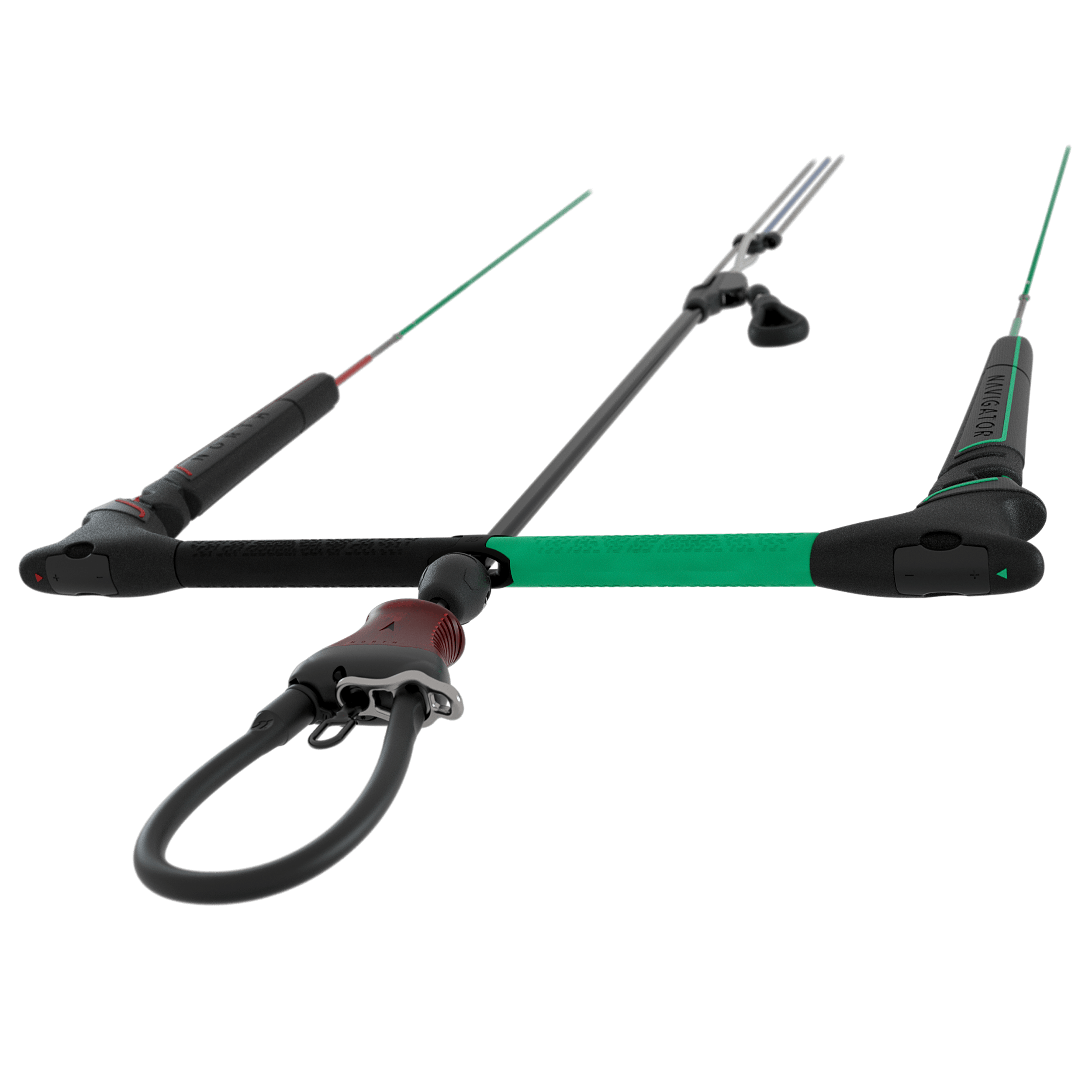
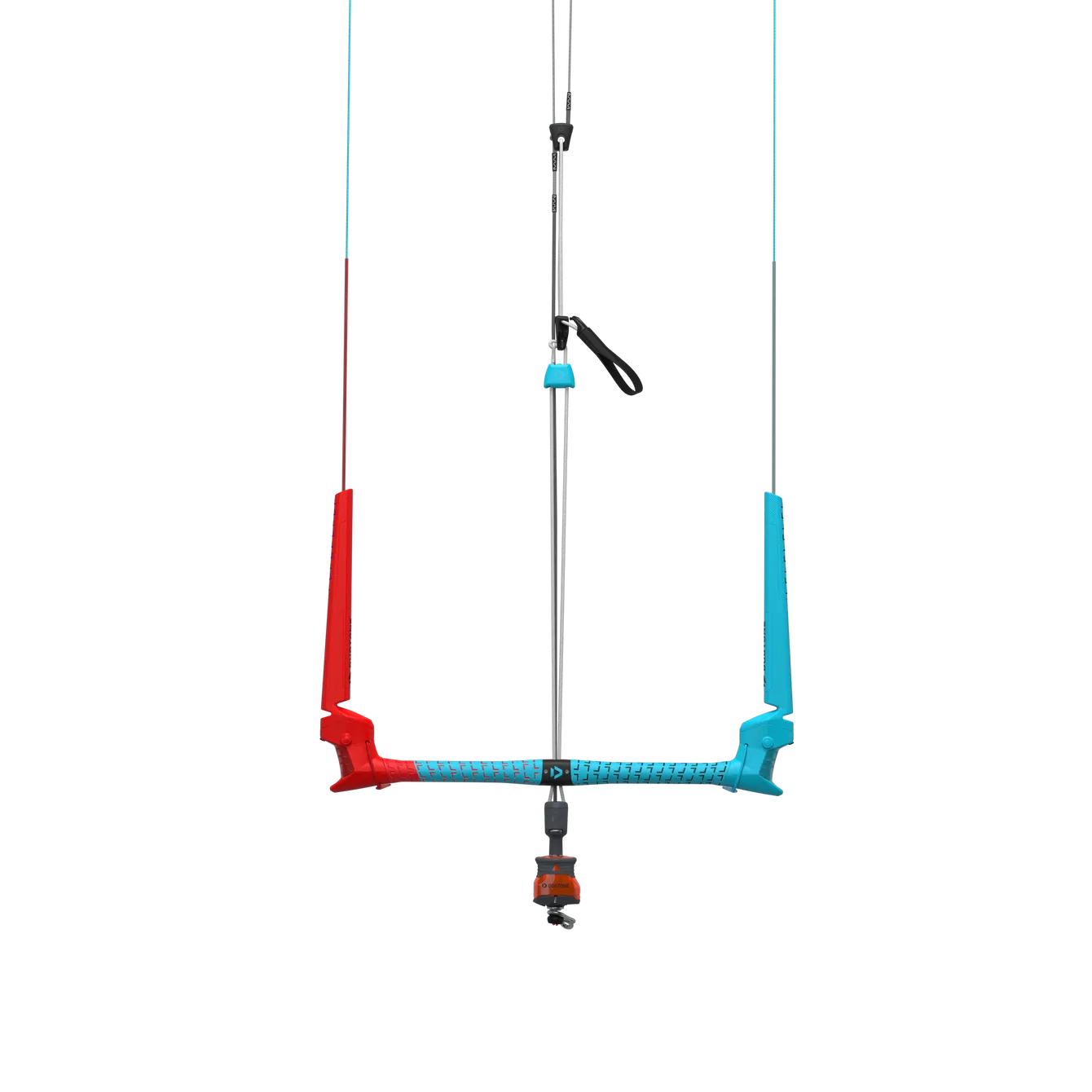
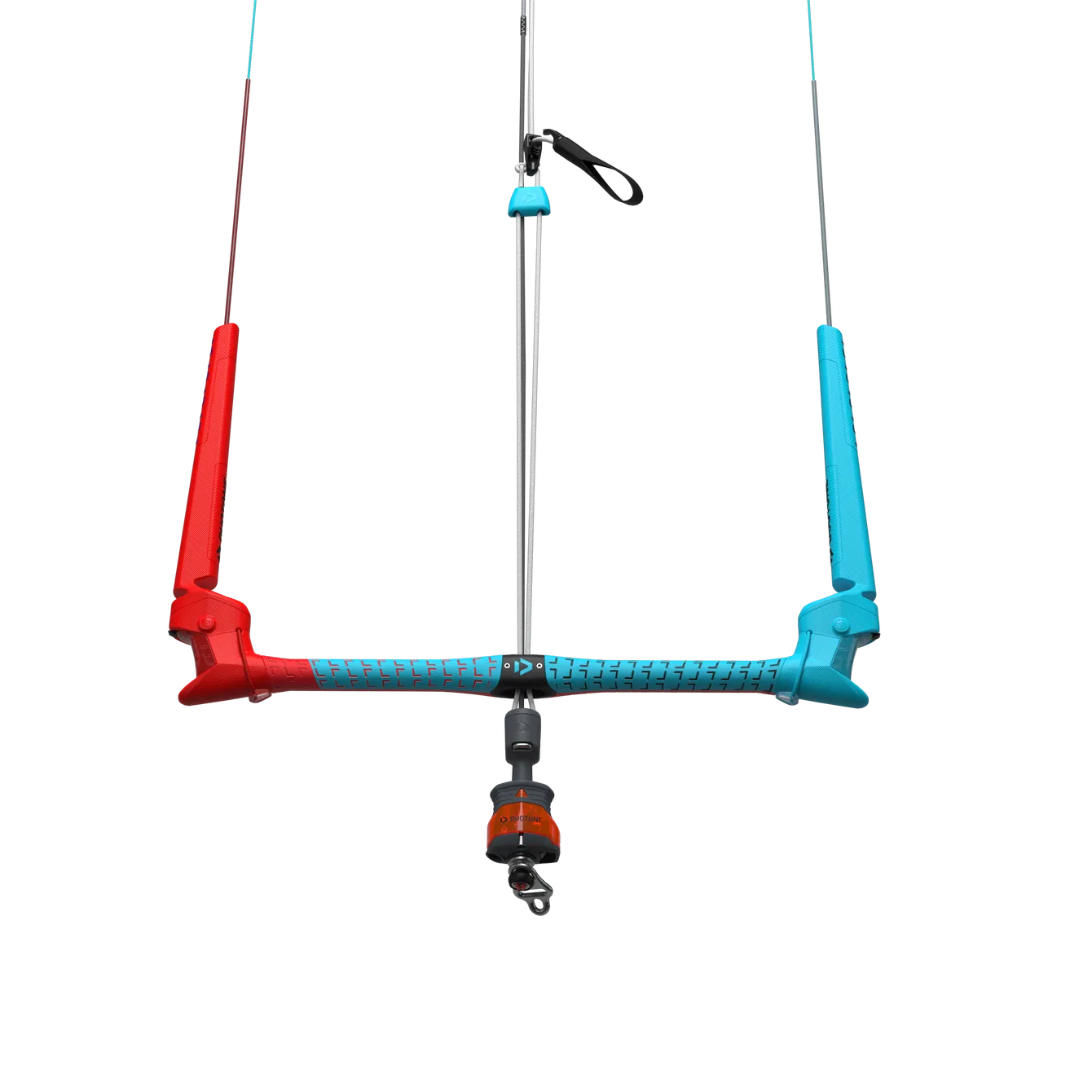
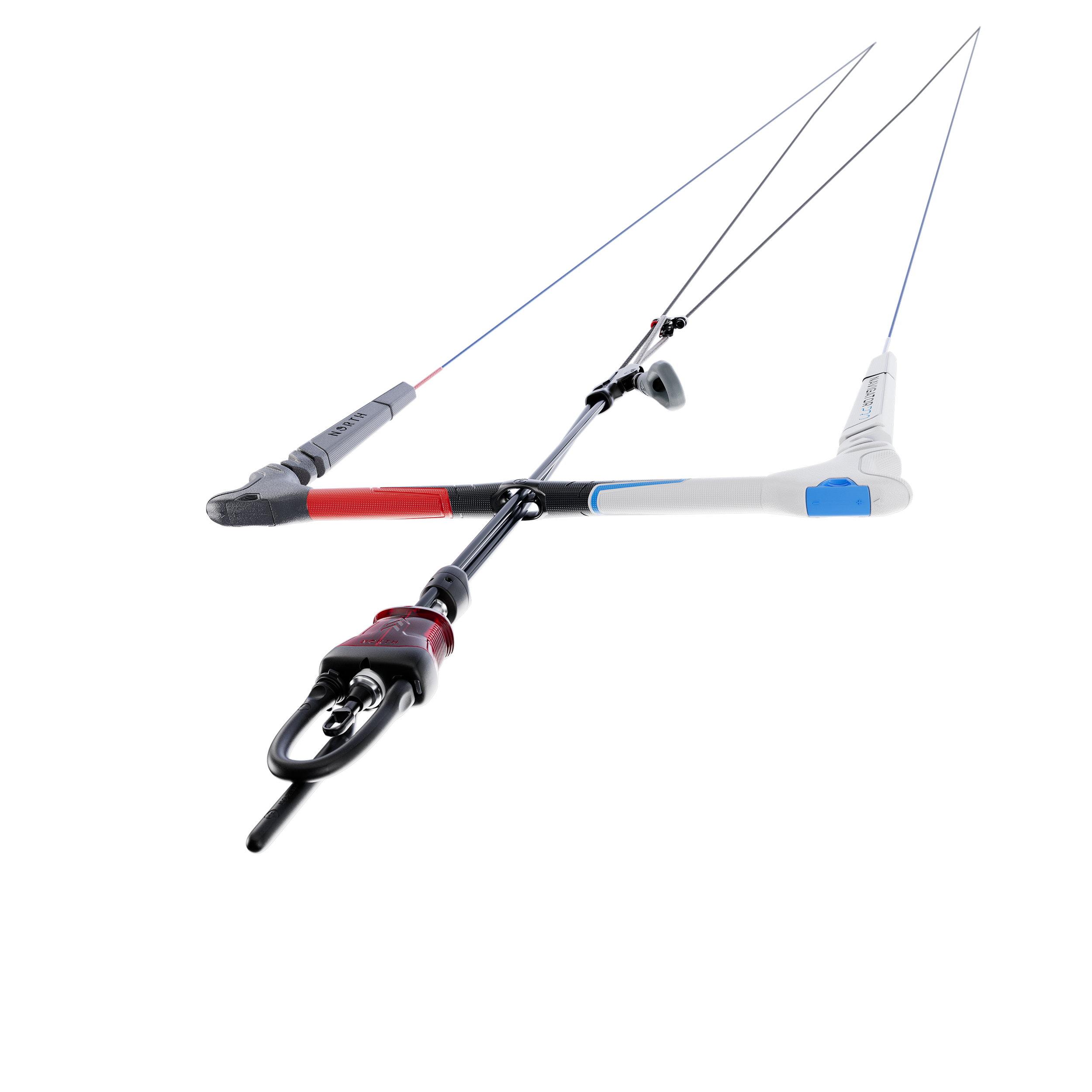
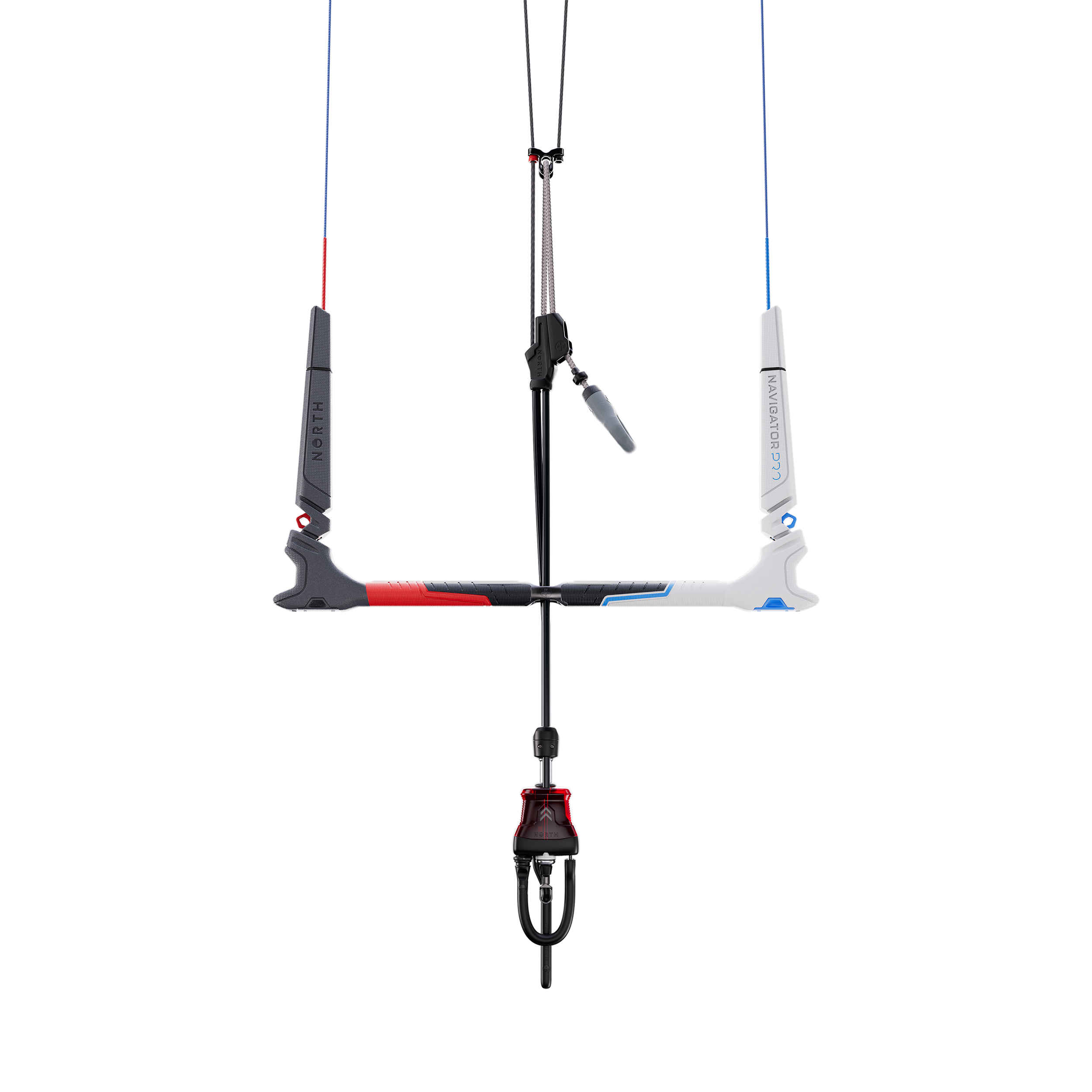
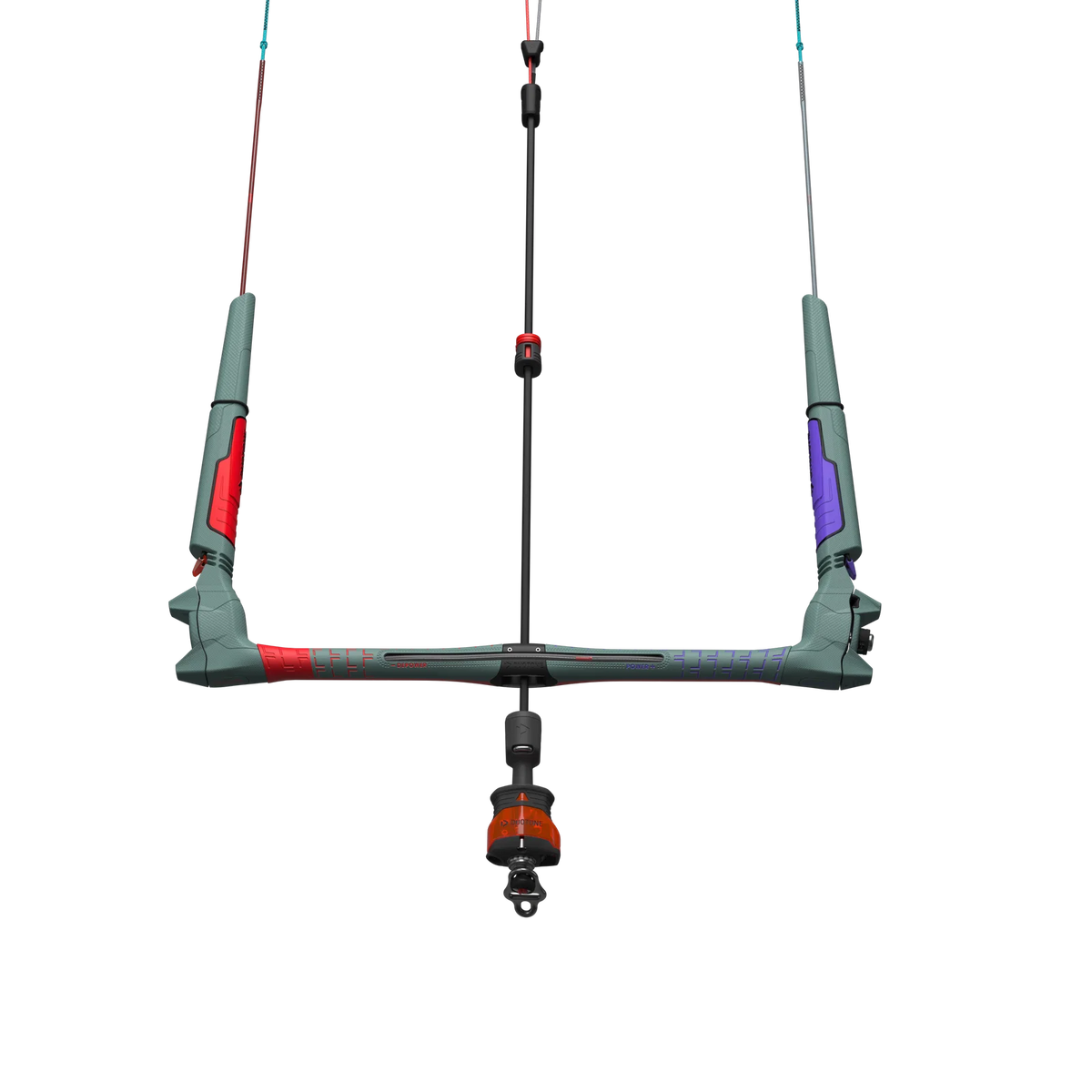
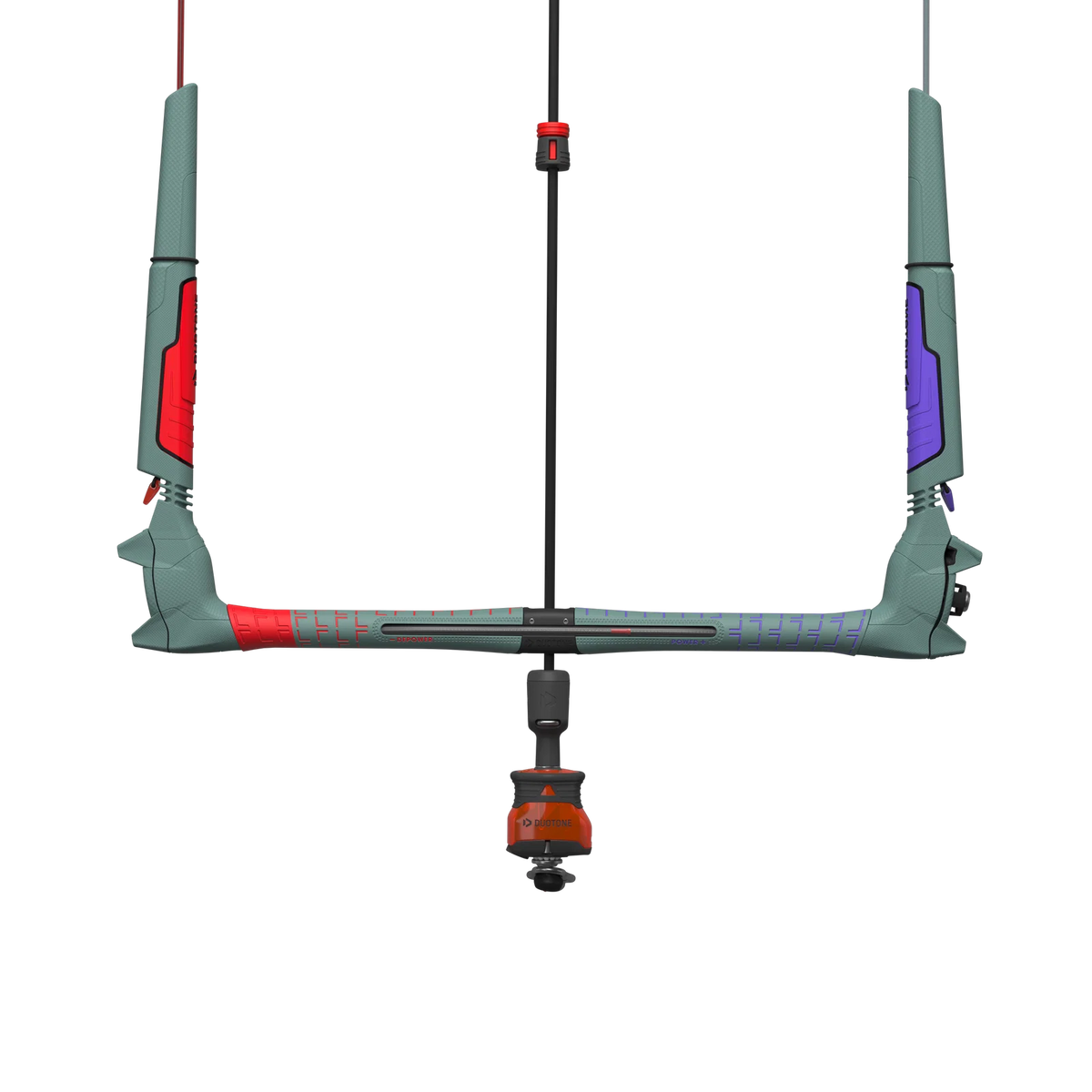
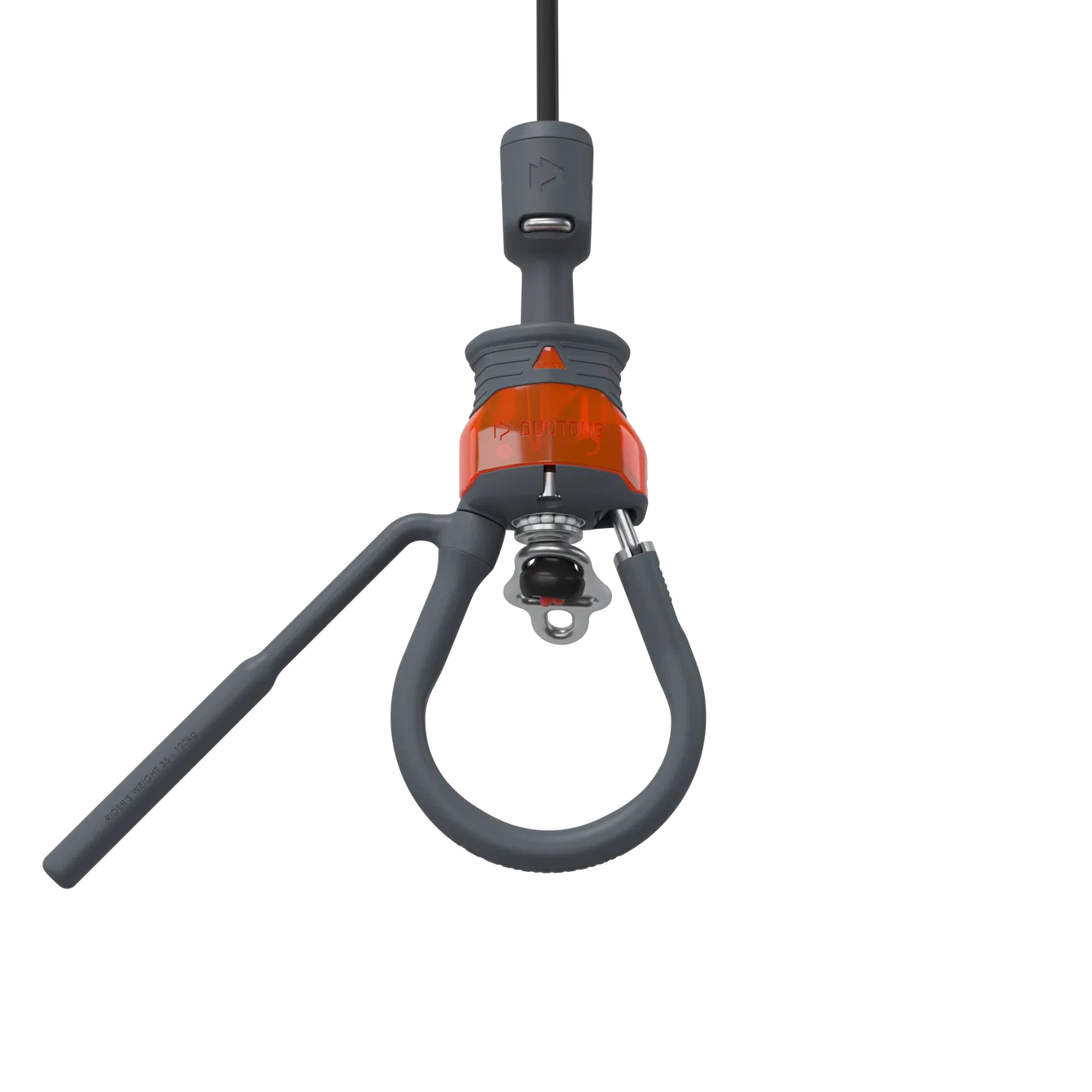
A kite bar is designed to control your kite. When we talk about a "bar", we usually mean the bar plus all the lines together. A complete kite bar consists of the control bar, steering lines, power lines, depower system, chicken loop, quick release, V-split, safety line and depower line.
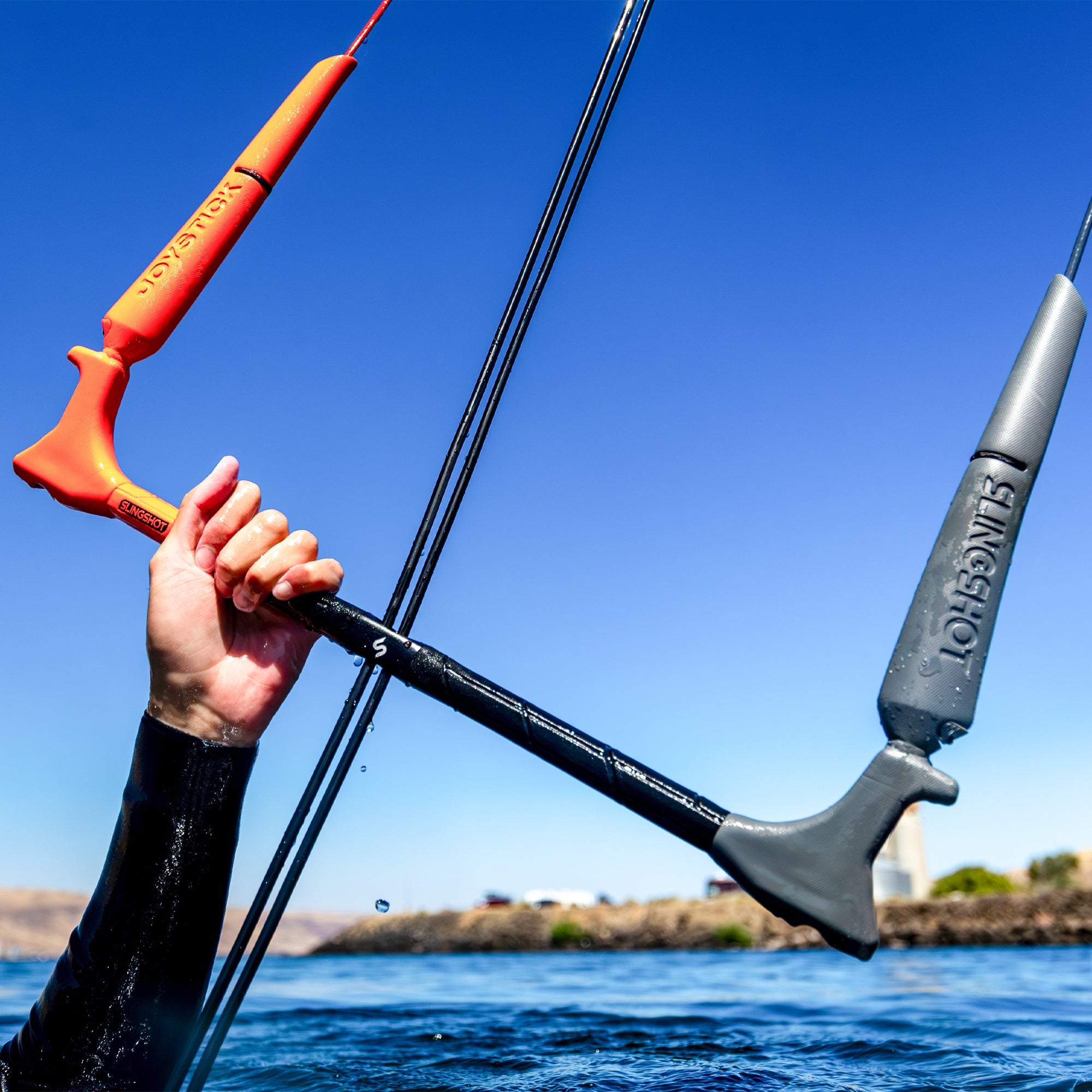
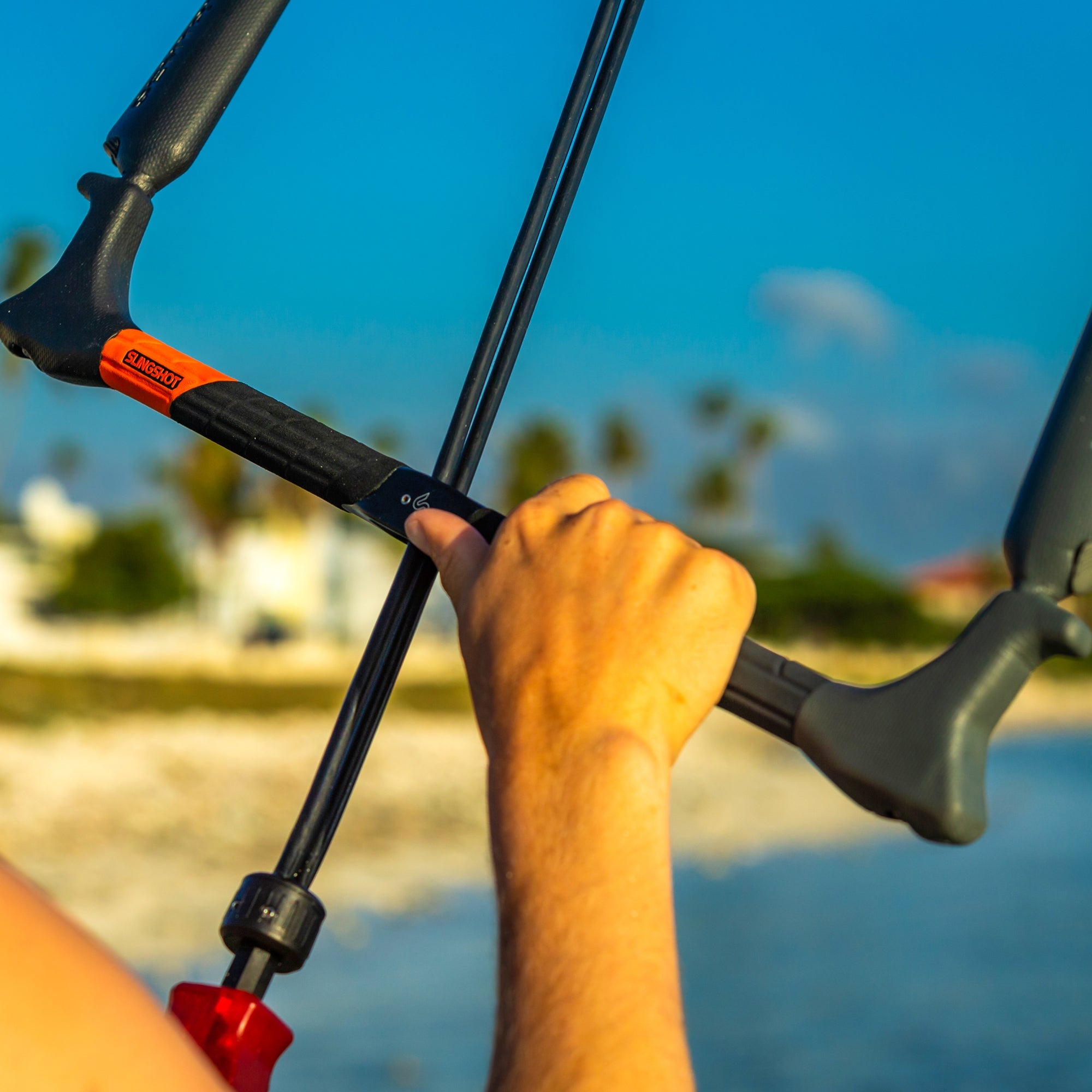
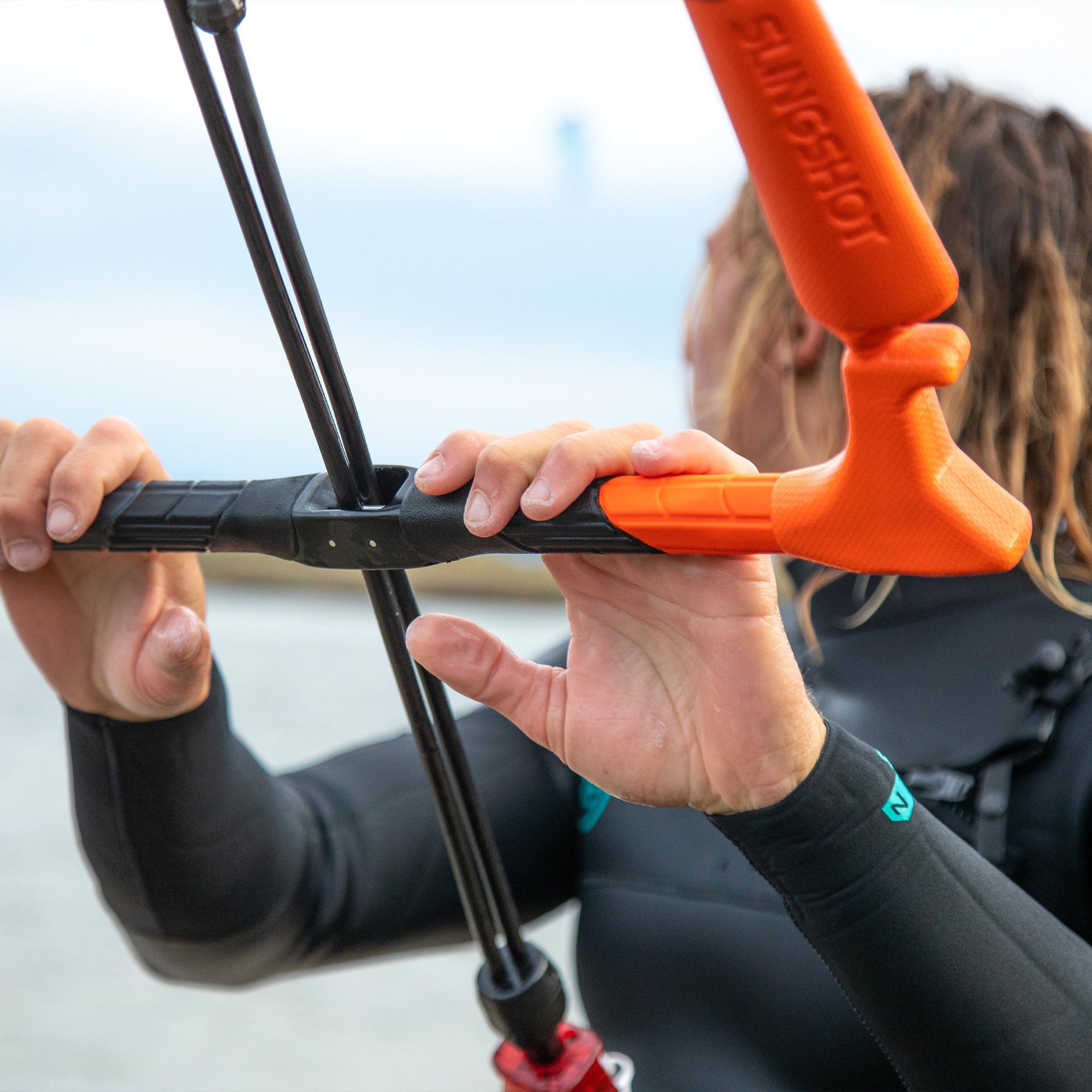
The principle is simple: the two steering lines are attached to the back of the kite and directly connected to the bar you hold in your hands. Pull the left side and the kite flies left; pull the right side and it steers right. The power lines transfer the kite's pulling force through the bar to your harness. Always remember to counter-steer in time — if you keep steering in one direction, the kite will go into a kite loop!
We always recommend taking kitesurfing lessons before going out on your own. Kitesurfing can be dangerous without the right foundation.
Powering and depowering — what does it mean?
One of the bar's most important functions is the ability to power and depower the kite. Pull the bar towards you and the kite tilts further into the wind — giving you more power and more direct steering. Push the bar away and the wind spills out of the kite, reducing the pull. If you lose your balance or make a steering error, the best thing to do is let go of the bar — in the vast majority of cases you'll be safe.
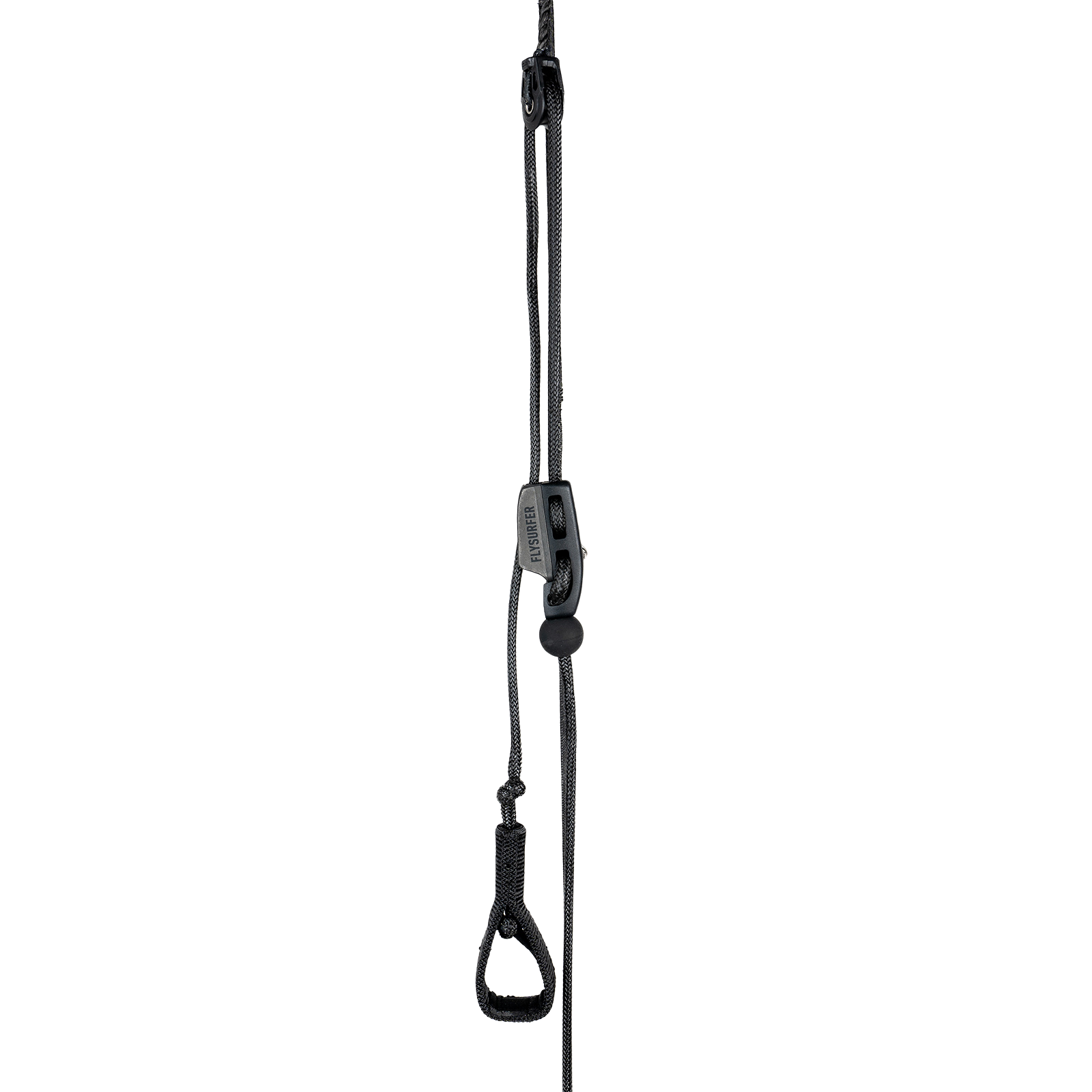
Most bars also have a depower system with a clam cleat on the power lines, letting you adjust the kite's overall power during your session — for example if the wind suddenly picks up.
Do I need a separate bar for each kite?
Not necessarily. If you have three kites in your quiver, two bars will usually do the job. The important thing is to use the right bar size with the right kite size — and to check that the bar is compatible with your kites. If you have several kites of the same brand and type, you may be able to get by with fewer bars. Keep in mind that a bar will wear out faster the more often it is used.
What bar size do I need?
It's important to choose a bar width that suits your kite. A larger kite flies better with a wider bar and vice versa — a longer bar has a greater turning ratio than a shorter one. Flying a small kite on a large bar makes it steer too directly. The average bar width is 52 cm. For a small 7m kite, a bar of around 44 cm works well, and for a 12m kite or larger we recommend a bar wider than 52 cm. Most bars are adjustable in width so you can fine-tune them when switching between kite sizes.
How does line length affect the kite's flying behaviour?
Line length has a significant effect on how the kite flies. Longer lines create a larger wind window and better low-end performance — ideal for freeriders. Shorter lines make the kite more direct and aggressive, popular among freestyle kiters who love kite loops. The standard line length is around 24 metres, which suits most riders. If you want a more extreme turning circle, you can go down to 20 metres.
My line has broken — repair or replace?
Most kiters break a line at some point. It's often a sign of general wear on the bar, so it's worth assessing the whole bar's condition. If the rest of the bar is still in good shape, replacing the broken line may be enough. However, we always recommend replacing both lines in the corresponding pair — for example both power lines — since lines stretch and shrink over time. Only by replacing both can you ensure the kite is properly tuned again. Contact us for help with repairs or advice on replacement.
What are kite lines made of?
Kite lines are almost always made of Dyneema — an extremely strong material based on polyethylene. Dyneema lines are water-resistant, float on the water's surface, and are stronger than steel. Kite lines typically have a breaking strength of 300–500 kg. Power lines are often slightly thicker as they carry the greatest load. After a few years the strength and quality of the lines can decrease, so watch out for light spots or fraying, and replace your lines and bar in time to prevent accidents.
What do the most common terms mean?
The kitesurfing world uses a lot of technical English terms. Here's a quick explanation of the most important ones:
- Bar: The control bar you hold in your hands to steer the kite
- Steering lines: The back lines used for steering, directly connected to the bar
- Power lines: The front lines that transfer the kite's pulling force through the bar to your harness
- Depower system: System to adjust the kite's overall power
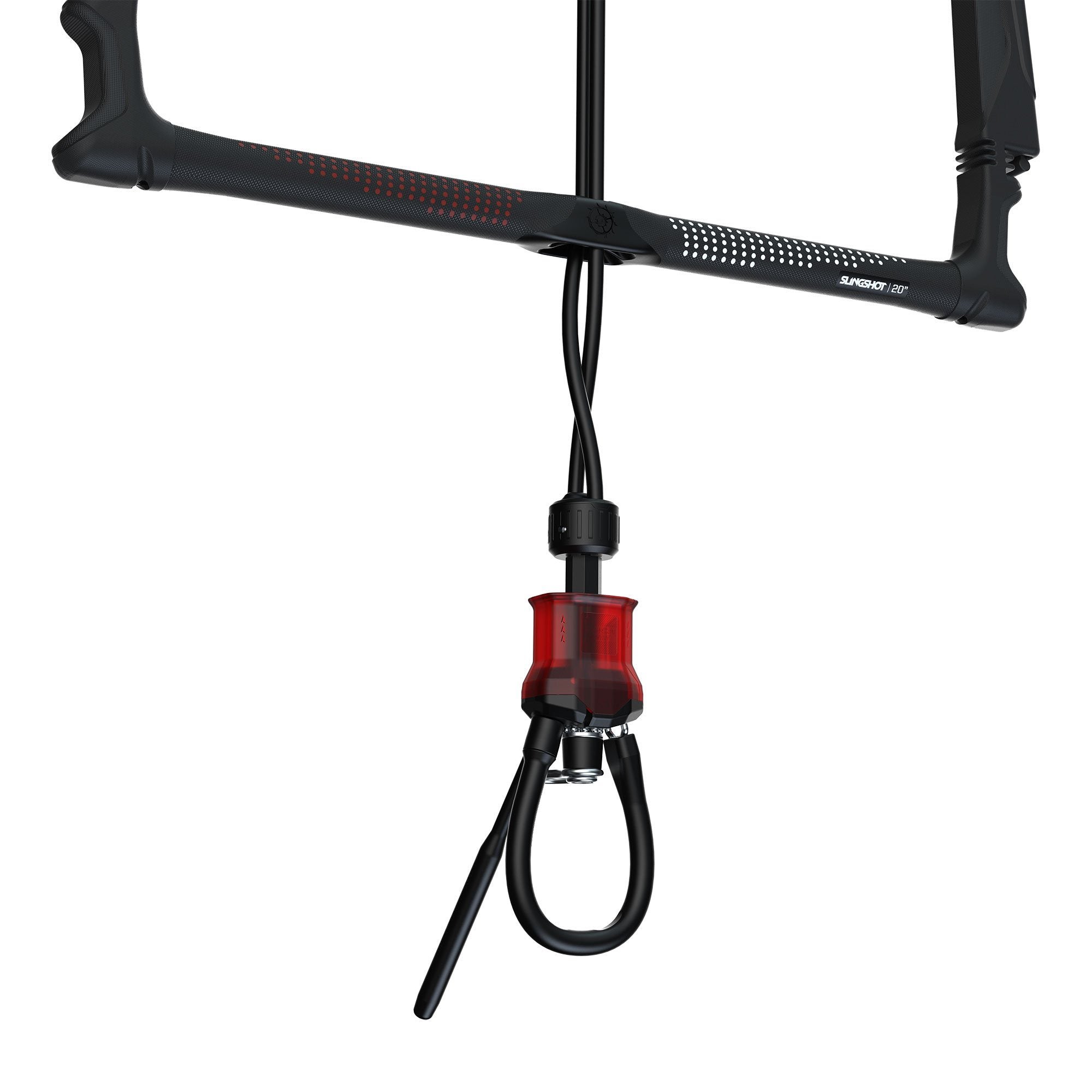
- Chicken loop: The round loop at the end of the depower line that hooks into your harness
- Quick release: Safety system that releases the kite in an emergency
- Safety line: The line the kite remains attached to after the quick release is activated
- V-split: Where the depower line splits into two lines connecting to the kite's front bridles
- Pigtails: Short connector lines at the ends of the lines and bridles
- Floater: The two rubber pieces on the sides of the bar that prevent it from sinking
- Leash: Elastic cord ensuring the kite doesn't fly away completely when the safety system is activated
- Swivel: Allows the lines to untwist during kitesurfing
- Larks head: A type of knot used to attach lines to the kite via a loop